
- Fourth statement shifts UAE sustainable finance from framework design to market execution across governance, disclosures, taxonomy, and transition planning
- New climate transition planning principles align UAE financial institutions and corporates with ISSB standards and Net Zero by 2050 objectives
- ADGM and national regulators position the UAE as a global reference point for transition finance and regulatory coherence
During Abu Dhabi Finance Week 2025, the UAE Sustainable Finance Working Group published its fourth formal statement, marking a decisive turn toward implementation as the country accelerates efforts to embed climate and sustainability considerations across its financial system.
The statement reinforces alignment with national strategies including the UAE Green Agenda 2015–2030, the National Climate Change Plan 2017–2050, and the UAE Net Zero by 2050 Strategic Initiative. It also reflects the regulatory groundwork now being operationalised following the rollout of the UAE Climate Change Law and associated emissions reduction plans.
Coordinated by the Financial Services Regulatory Authority of Abu Dhabi Global Market, the Working Group brings together national financial regulators, ministries, and financial markets. Since its third statement, the group has moved beyond consultation into active policy delivery across four core workstreams.
Governance Moves From Principle To Practice
The first workstream focuses on sustainability driven corporate governance. Central to this effort are the Principles for Effective Management of Climate Related Financial Risks, issued in November 2023. These principles provide financial institutions with a structured approach to integrating climate risks into governance, business strategy, and enterprise risk management frameworks.
The emphasis is on board level oversight, accountability, and embedding climate considerations into supervisory expectations. This aligns UAE regulatory practice more closely with international prudential trends, while maintaining national flexibility in implementation.
Disclosure Architecture Aligns With Global Standards
Progress under the second workstream centres on sustainability related disclosures. The Sustainability Disclosure Principles for Reporting Entities, launched in 2024, aim to standardise ESG reporting at both entity and product levels.
The principles define materiality, scope, and disclosure timelines, while aligning UAE reporting expectations with global benchmarks including the International Sustainability Standards Board. This creates a clearer pathway for issuers, asset managers, and lenders to meet investor expectations without fragmenting disclosure practices across markets.
Building A UAE Specific Sustainable Finance Taxonomy
Under the third workstream, the Working Group continues to advance the design of a UAE Sustainable Finance Taxonomy tailored to domestic market needs while remaining interoperable internationally.
In 2023, the group released a Summary of General Principles for the taxonomy, introducing a colour coded traffic light system and minimum social safeguards. The taxonomy is intended to guide capital allocation decisions while supporting investor confidence in transition and green activities within the UAE economy.
RELATED ARTICLE: Abu Dhabi Finance Week Advances Global Asset Management Strategy
Climate Transition Planning Takes Centre Stage
The fourth workstream introduces newly issued Climate Transition Planning Principles, developed following a consultation paper released in 2025. These principles establish a national reference framework for how financial institutions and corporates should prepare, govern, and disclose credible transition strategies.
The framework integrates transition planning into governance structures, scenario analysis, risk management, and long term financing decisions. It also emphasises robust data collection, indicators, and alignment between transition plans and national climate objectives. Sector specific regulatory requirements may follow, while maintaining adaptability to evolving international standards.
Leadership Voices Frame Execution Phase
H.E. Khaled Mohamed Balama, Governor of the Central Bank of the UAE, said: “The Central Bank of the UAE reaffirms its leadership role within the Sustainable Finance Working Group, reflecting the vision of our wise leadership and strengthening the nation’s sustainable economic approach. We remain committed to supporting the green transition in line with the UAE Net Zero by 2050 Strategy and the national sustainable development goals. Our efforts focus on advancing proactive policies, integrating climate risks into governance and supervisory frameworks, and building a resilient financial ecosystem that safeguards stability and reinforces the UAE’s position as a leading global financial hub and an active partner in global sustainable development.”
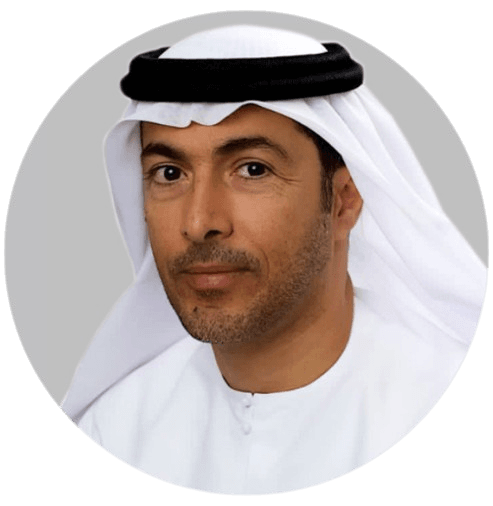
H.E. Ahmed Jasim Al Zaabi, Chairman of Abu Dhabi Department of Economic Development and ADGM, said: “The fourth statement of the UAE Sustainable Finance Working Group marks a clear shift from ambition to execution, reaffirming the UAE’s unwavering leadership in sustainable finance. Through robust regulatory frameworks, effective collaboration, and continuous market engagement, the UAE is translating national climate objectives into a financial ecosystem aligned with its climate commitments and long term economic vision. As the fastest growing international financial centre, ADGM is proud to lead these efforts, strengthening investor confidence and positioning the UAE as a global reference point for sustainable and transition finance.”
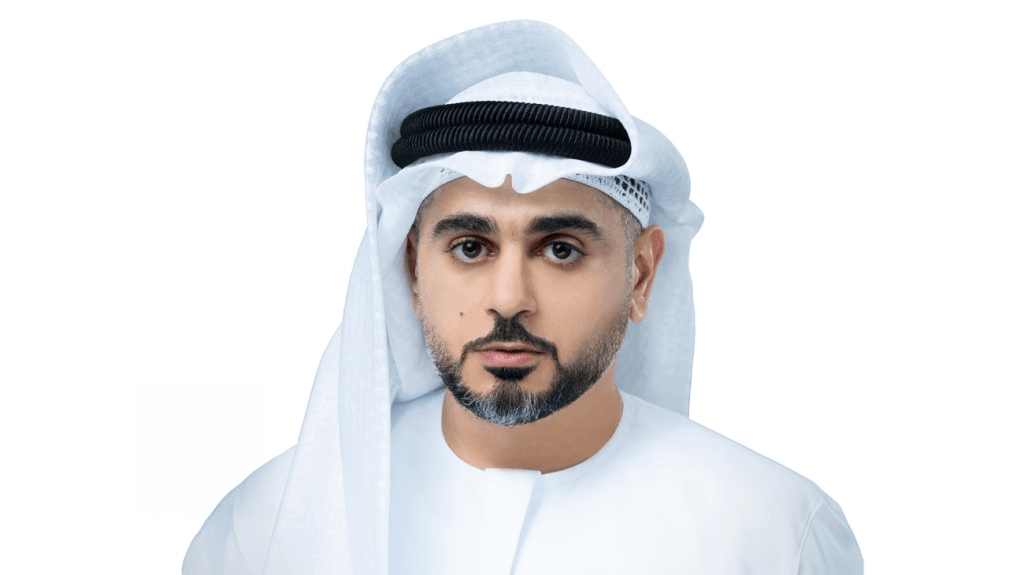
H.E. Younis Haji Al Khoori, Undersecretary of the UAE Ministry of Finance, added: “The UAE Ministry of Finance remains committed to ensuring that financial policies and frameworks fully support the nation’s long term sustainability objectives. The UAE Sustainable Finance Working Group has played a pivotal role in advancing the sustainable finance agenda and aligning national efforts with global best practices. We reaffirm our commitment to an orderly and just transition toward achieving the UAE’s Net Zero goal and will continue cross government collaboration to achieve this shared objective and strengthen the UAE’s global leadership in sustainable finance.”
What Executives And Investors Should Take Away
Looking ahead, the Working Group will prioritise implementation, focusing on proportionality, international alignment, and continued stakeholder engagement. For boards, executives, and investors, the message is clear. The UAE is translating climate ambition into supervisory expectations, disclosure discipline, and capital allocation frameworks that are designed to scale across markets and withstand global regulatory convergence.
Follow ESG News on LinkedIn
The post UAE Sustainable Finance Working Group Sets Execution Agenda At Abu Dhabi Finance Week 2025 appeared first on ESG News.