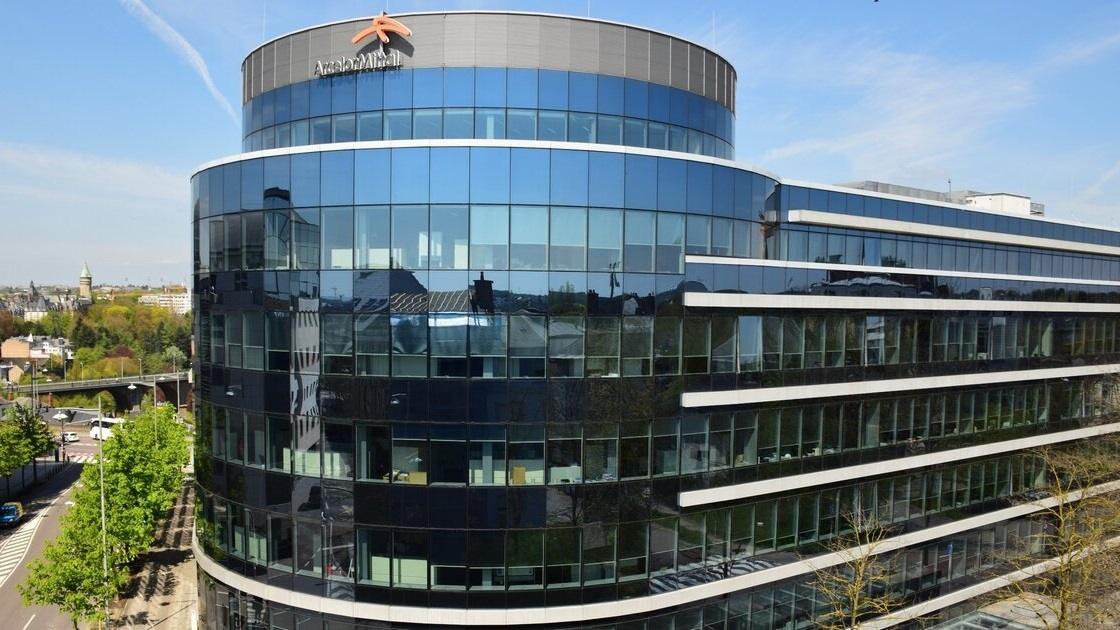
Steelmaking and mining company ArcelorMittal announced plans to construct a €1.3 billion (USD$1.5 billion) electric arc furnace (EAF) in Dunkirk, France, marking a major step in the decarbonization of its European steel production.
Steelmaking is one of the biggest emitters of CO2 globally, and one of the more challenging sectors to abate, with total greenhouse gas emissions (GHG) from the sector accounting for 7% – 9% of direct emissions from the global use of fossil fuels.
The company had previously indicated in 2024 that it would delay investments in low carbon steel due to policy uncertainty, but said that a favorable change in policy and market conditions have since made the Dunkirk EAF project financially viable, with CEO Geert van Poelvoorde specifically citing tariffs that “will stem the tide of unfair imports into the EU,” and CBAM, which will “create a more level playing field for European producers.”
The new 2-million-ton Dunkirk EAF is scheduled to commence operations in 2029 and will produce steel with three times less CO2 emissions than a traditional blast furnace, at 0.6 tons CO2 per ton of steel based on a mix of scrap, HBI/DRI and hot metal). The project will receive support from Energy Efficiency Certificates (CEE), which promote energy savings and CO₂ reduction.
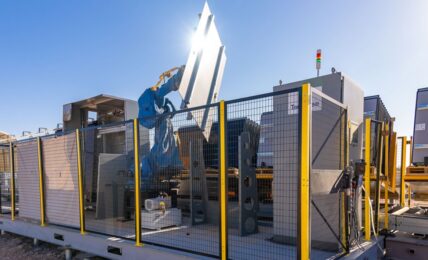
EAFs use electric currents, instead of coal used in blast furnaces, to create the heat needed to melt and mold metal. The company’s DRI pathway uses direct reduced iron (DRI), made through the direct reduction of iron ore using natural gas, as an input in EAFs.
ArcelorMittal has set a commitment to achieve company-wide net zero emissions by 2050. The company has said that it is exploring multiple approaches to low-emissions steelmaking, including the use of hydrogen or circular carbon and carbon capture and storage processes.
van Poelvoorde said:
“The decision to proceed with building an EAF in ArcelorMittal Dunkirk, to produce low-carbon emissions steel at scale for our customers, has been made possible because we now have the conditions in place to make this project a success…We will now focus on steering the Dunkirk EAF project to completion and commercial success.”