- €300 million ($325 million) public support will help cut emissions at INEOS’s Lavera complex by 331,000 tonnes of CO₂ annually, aligning with France 2030 decarbonisation targets.
- Investment strengthens domestic production of critical materials used in healthcare, aerospace, clean energy, and defence, reinforcing industrial sovereignty.
- Project protects roughly 2,000 direct jobs and more than 10,000 supply chain roles as Europe’s chemical sector faces closures and rising global competition.
Industrial Decarbonisation Meets Strategic Security
INEOS has secured €300 million ($325 million) in French government support to accelerate the regeneration and decarbonisation of its Lavera petrochemical complex, one of the country’s most important industrial assets. The investment will deploy proven energy efficiency technologies to reduce carbon dioxide emissions by 331,000 tonnes annually, equivalent to removing more than 70,000 cars from the road.
The funding is provided through France’s “Appel d’Offres Grands Projets Industriels de Décarbonation” (AO GPID), administered by ADEME under the France 2030 investment plan. The scheme supports large industrial decarbonisation projects capable of delivering verifiable emissions reductions over a 15-year period while reducing dependence on fossil-based energy.
Combined with a €250 million investment announced in November 2025, total planned spending at the Lavera site now exceeds €550 million.
Industrial Competitiveness Under Pressure
The Lavera complex sits at the core of French manufacturing, supplying essential inputs across pharmaceuticals, healthcare, aerospace, transport, food packaging, defence and clean energy. Maintaining domestic production capacity is increasingly seen as a strategic priority as Europe grapples with high energy costs, plant closures, and growing reliance on imports.
At a time when chemical plants are shutting across Europe, the Lavera investment is expected to stabilise operations and secure approximately 2,000 direct jobs and more than 10,000 roles across the wider supply chain.
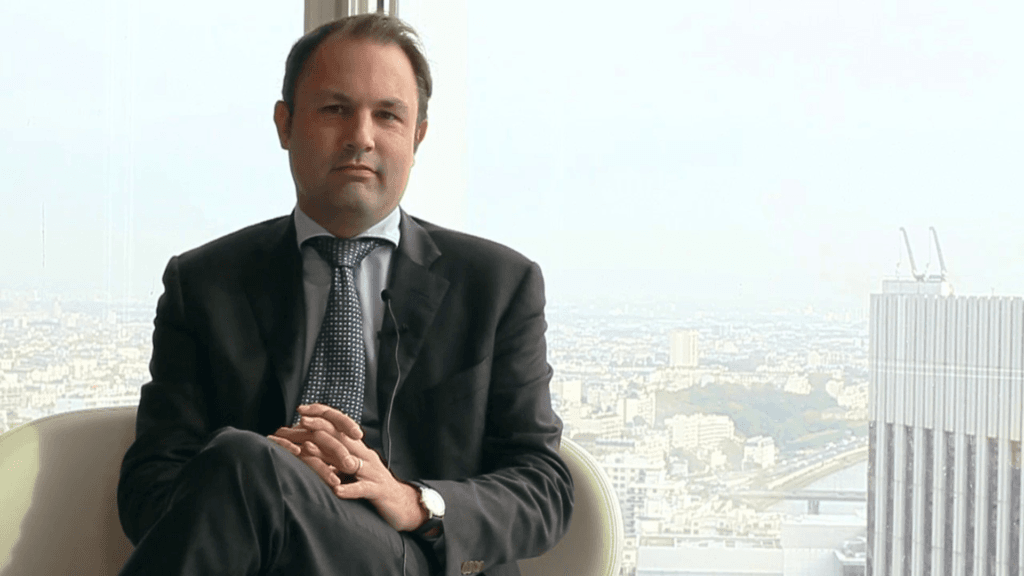
Sir Jim Ratcliffe, Chairman of INEOS, framed the project as both an economic and geopolitical imperative:
“This starts with protecting skilled jobs. The answer is NOT decarbonisation by deindustrialisation. Lavera employs thousands of people. It sits at the heart of French manufacturing. We are investing because France understands that a strong industrial base matters. Securing essential materials at home, rather than importing them from China or the United States, is simply common sense. This investment gives Lavera long-term resilience, sharpens its competitiveness and renews technology that cuts emissions by 331,000 tonnes a year. That is real industrial leadership. Europe needs a lot more of it if it wants to keep jobs, investment and sovereignty.”

Pathway to Net Zero and Circular Feedstocks
The upgrades will improve energy efficiency while preparing Lavera for deeper decarbonisation through electrification and carbon capture as those technologies mature. The project also supports France’s circular economy objectives by enabling the site’s cracker to process more sustainable feedstocks derived from recycled plastics and bio-sourced materials, reducing reliance on fossil inputs.
This integration of emissions reduction with feedstock transition reflects a broader shift across Europe’s heavy industry, where long-term decarbonisation strategies increasingly depend on electrification, carbon capture, and circular material flows.
RELATED ARTICLE: INEOS Secures €3.5 Billion for Zero Carbon Footprint Chemical Plant
Governance, Sovereignty and Strategic Supply Chains
The Lavera initiative highlights the growing convergence of climate policy and industrial strategy in Europe. France 2030 funding aims not only to cut emissions but also to preserve domestic industrial capacity and technological leadership. Lavera’s output feeds into sectors critical to national security and advanced manufacturing, making supply chain resilience a policy priority.
INEOS said it will work closely with the French government from planning through delivery to ensure the site remains competitive, resilient, and aligned with national climate and industrial objectives.
What Executives and Investors Should Watch
For corporate leaders and investors, the Lavera investment illustrates how public funding is being deployed to maintain industrial capacity while accelerating decarbonisation. Projects that combine emissions reductions, supply chain resilience, and circular material strategies are increasingly likely to attract policy support and long-term financing.
The move also reflects rising concern in Europe about strategic dependence on imported materials. As geopolitical tensions and trade fragmentation reshape global supply chains, domestic production of critical inputs is becoming central to both economic security and climate transition strategies.
By pairing industrial renewal with measurable emissions cuts, the Lavera project offers a template for preserving competitiveness while advancing climate goals. Its success may influence future policy frameworks across the EU as governments seek to prevent deindustrialisation while meeting net zero commitments.
Follow ESG News on LinkedIn
The post INEOS Secures $325 Million French State Support to Decarbonize Lavera appeared first on ESG News.