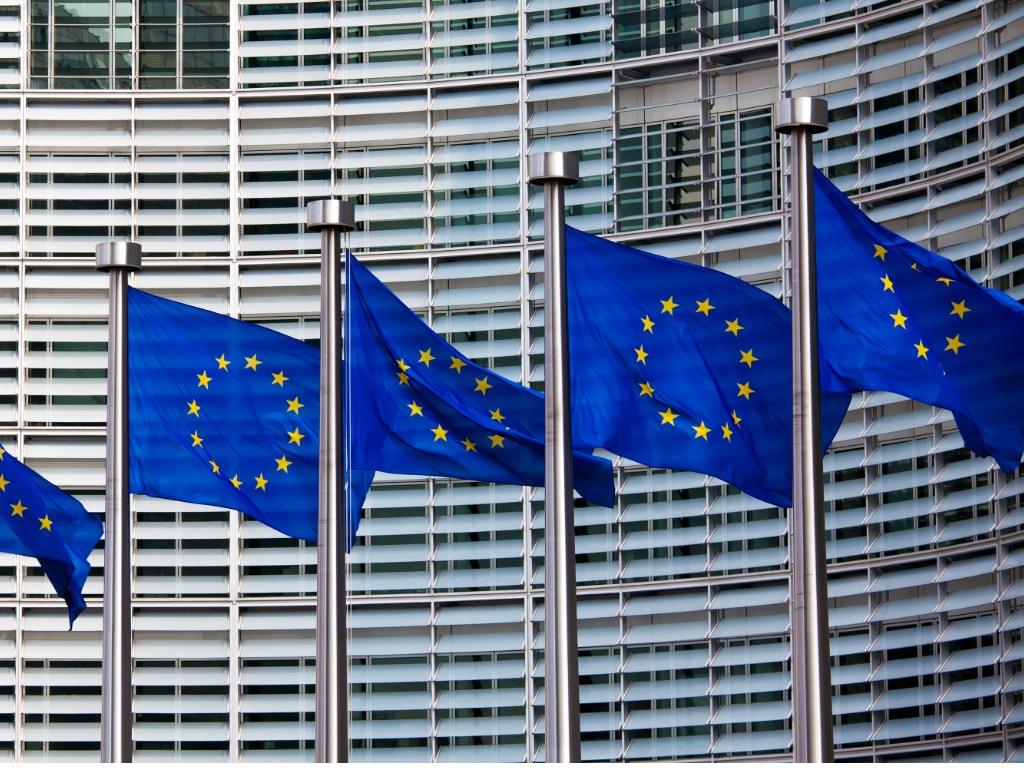
The European Commission announced the release of its long-awaited Industrial Accelerator Act (IAA) proposal on Wednesday, introducing a series of “made-in-EU” and low carbon requirements for several industrial sectors and net zero technologies including batteries, solar, wind, heat pumps, and nuclear, in a bid to protect and accelerate development of sectors central to the EU’s manufacturing and decarbonization goals.
Plans for the IAA were initially unveiled with the launch of the EU’s Clean Industrial Deal early last year, which outlined measures aimed at accelerating decarbonization while supporting manufacturing in Europe.
The Commission noted that the new proposals will also deliver on the recommendations of the Draghi report by creating EU demand for clean and EU-made products and key technologies. In its introduction to the IAA, the Commission said that the IAA is expected to save more than 30 million tonnes of CO2 emissions in energy intensive industries, in addition to generating up to €10.5 billion across the automotive value chain, and more than €600 million across steel, aluminum, and cement.
According to the Commission, the new proposals focus on sectors that are strategically important for the EU economy, and which currently face strong competitive and structural pressures, that are also essential enablers of the clean transition and vital to downstream industries such as construction, mobility, energy systems, and defense.
The Commission noted that these sectors are also seeing declining production in Europe and slower decarbonization investment, while facing market distortions such as unfair subsidies in markets concentrated outside of the EU, such as China, which the Commission noted accounts for over 80 % of manufacturing capacity for technologies such as batteries and solar photovoltaic.
Specifically, the Commission said that the IAA proposals aim to address three main issues, including supply chain vulnerabilities in strategic sectors and technologies, limited demand or lack of lead markets for European low-carbon industrial products, and industrial technologies that are not deployed to scale due to lengthy, fragmented and uncertain permitting procedures for industrial decarbonization projects.
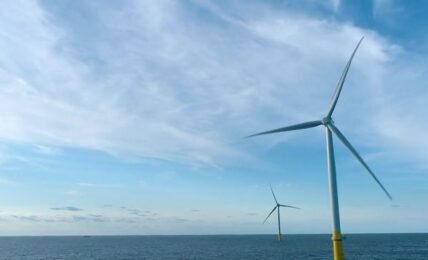
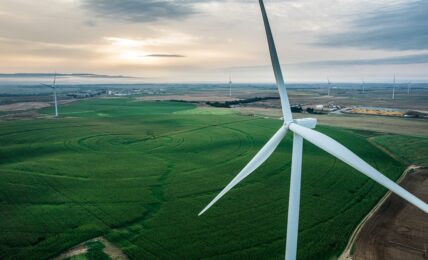
The IAA introduces “made-in-EU” requirements for public procurement for clean technologies including batteries, battery energy storage systems (BESS), solar PV, heat pumps, wind, electrolyzers, nuclear technologies, and electric vehicles and EV components, and low-carbon requirements for steel used in automotive and construction, and both made-in-EU and low carbon requirements for cement used in construction and the aluminum used in automotive and construction.
Notably, under the proposed IAA, the definition of “made-in-EU” includes products from third countries which have agreements in place with the EU establishing a free trade area or a customs union.
In addition to the made-in-EU and low-carbon requirements, the package also proposes the introduction of conditions for foreign investments exceeding €100 million in strategic sectors including EVs, batteries, solar, and critical raw materials, by companies based in countries that control more than 40% of global manufacturing capacity for those sectors.
The package also proposes moves aimed at simplifying permitting procedures for industrial projects, including a requirement for Member States to set up a single digital process to speed up and simplify permitting, and also introduces Industrial Acceleration Areas to create clean manufacturing project clusters to facilitate essential energy infrastructure investments and promote area-wide permits.
The proposed IAA will be submitted to the European Parliament and Council for negotiation before it can be adopted and entered into force.
Wopke Hoekstra, European Commissioner for Climate, Net-Zero and Clean Growth, said:
“The EU is and remains an open economic block, but we can’t ignore the new geopolitical realities. We need to stand up more strongly for our own interests. Today’s new proposal is another step towards building more robust and clean industries, securing our supply chains and protecting our economic security.”