
- $11.3 million facility introduces renewable energy certificates as direct financing for mini grids in fragile markets
- Targets 856,000 people across 14 countries with first-time electricity access and 71 MW of new capacity
- Converts corporate sustainability demand into hard currency revenue for off grid developers
The African Development Bank Group has approved $5.65 million in funding to pilot a new climate finance mechanism designed to unlock investment in some of Africa’s most challenging energy markets. The initiative introduces the Peace Renewable Energy Certificate Aggregation Facility, a structure that channels corporate climate spending directly into off-grid renewable energy projects.
Backed by the bank’s Sustainable Energy Fund for Africa and co-financed by the Nordic Development Fund, which matched the contribution, the total facility reaches $11.3 million. It will be managed by Camco Clean Energy in partnership with Energy Peace Partners, the originator of the Peace Renewable Energy Certificate label.
The structure addresses a persistent gap in climate finance. Developers operating in fragile and conflict-affected regions often struggle to secure upfront capital. By monetizing renewable energy certificates before projects are operational, the facility provides immediate liquidity, enabling projects that might otherwise stall.
Turning Corporate Climate Demand Into Capital
The model hinges on long-term purchase agreements with mini-grid developers across 14 frontier markets, including Nigeria, Ethiopia, Sudan, and the Democratic Republic of Congo. Developers receive upfront payments in exchange for future certificate rights. These certificates are then sold to multinational companies seeking high-impact sustainability investments.
This mechanism effectively converts corporate climate commitments into hard-currency revenue streams for developers operating in volatile markets where financing is scarce and risk premiums are high.
“Lack of access to capital for rural electrification continues to be a major hurdle for universal energy access in the African continent, particularly in countries experiencing conflicts and fragility. I am proud that SEFA is backing this innovative, first-of-a-kind facility testing a new climate finance product capable of unlocking new sources of commercial funding for private sector led mini-grids. This is the kind of market-making needed to advance Mission 300 objectives.” João Duarte Cunha, Manager, Renewable Energy Funds Division and Sustainable Energy Fund for Africa, African Development Bank Group
Scaling Energy Access In High-Risk Regions
The facility is expected to deliver measurable development outcomes. Around 856,000 people are projected to gain first-time access to electricity, with roughly half of beneficiaries being women. The rollout includes approximately 240,000 new connections and 71 megawatts of renewable energy capacity.
These gains are concentrated in regions where energy poverty intersects with political instability. In such contexts, electrification has outsized impacts, supporting healthcare delivery, improving education access, and strengthening local economic resilience.
“Countries in Sub-Saharan Africa facing fragile and conflict-affected situations urgently need support and access to clean, reliable energy solutions. At NDF, we are proud to contribute to the Innovative Peace Renewable Energy Certificate Aggregation Facility, which helps bring small-scale, off-grid renewable energy to communities with no, limited or disrupted energy access. By supporting this initiative, we also strengthen the role of Nordic climate leadership working in partnership, through innovation and responsibility, to advance sustainable energy solutions where they are needed most.” Satu Santala, Managing Director, Nordic Development Fund

RELATED ARTICLE: African Development Bank Sets $4 Trillion Annual Target to Achieve Sustainable Development Goals
Aligning With Global Energy And Climate Goals
The initiative aligns closely with Mission 300, a joint effort by the African Development Bank and the World Bank to connect 300 million Africans to electricity by 2030. The P-REC model adds a private-sector financing layer that complements public funding and development finance.
It also reflects a broader shift in climate finance toward instruments that blend impact with market incentives. By linking corporate sustainability budgets directly to project financing, the facility introduces a scalable pathway for mobilizing private capital in underserved regions.
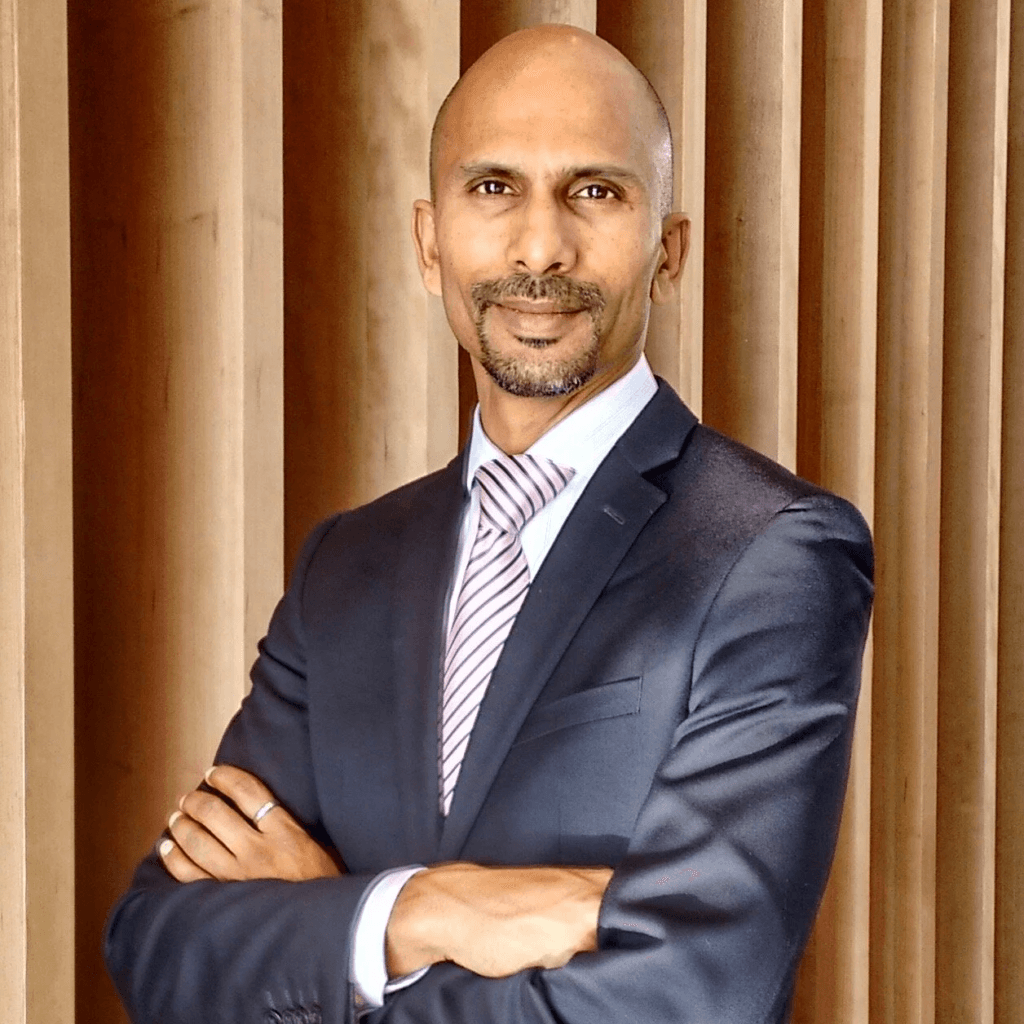
“The majority of people on the continent without access to electricity live in fragile and conflict-affected countries where renewable energy projects can have outsize impacts improving health, education, safety and security outcomes. The P-REC Aggregation Facility, based on EPP’s Peace-REC label, can accelerate that transition by converting corporate climate ambition into upfront capital for renewable energy developers who would otherwise struggle to close their projects.” Sherwin Das, Managing Director, Energy Peace Partners
What Executives And Investors Should Watch
For investors and corporate leaders, the facility offers a blueprint for deploying capital in high-impact, high-risk markets without relying solely on traditional financing structures. It demonstrates how climate-linked instruments can de-risk projects while delivering measurable ESG outcomes.
As pressure mounts on companies to show tangible impact from sustainability spending, mechanisms like P-REC could become central to corporate climate strategies. For policymakers and development institutions, the model provides a replicable framework for bridging financing gaps in fragile states.
The broader implication is clear. Climate finance is moving beyond pledges and into engineered financial structures that deliver capital where it is most constrained and most needed.
Follow ESG News on LinkedIn
The post African Development Bank Backs $11.3 Million Facility To Finance Off-Grid Energy In Fragile African States appeared first on ESG News.