
- ISO 14001:2026 strengthens governance, climate alignment, and accountability across more than 670,000 certified organizations worldwide
- New framework emphasizes measurable outcomes, linking environmental management systems directly to emissions reductions and operational efficiency
- Research shows a 1% rise in certifications correlates with a 0.14% drop in GHG emissions per unit of GDP, reinforcing policy and investment relevance
As scrutiny intensifies on corporate climate performance, the International Organization for Standardization has released ISO 14001:2026, a revised environmental management standard aimed squarely at closing the gap between sustainability commitments and measurable outcomes.
The update arrives at a moment when regulators, investors, and stakeholders are shifting focus from pledges to proof. Across sectors, environmental credibility is increasingly tied to data, governance, and execution. ISO 14001, already the most widely adopted environmental management standard globally, now sets a higher bar for demonstrating impact.
Used by more than 670,000 organizations worldwide, the framework has long provided a structured approach to managing environmental risks, improving efficiency, and embedding sustainability into operations. The 2026 revision refines that approach with sharper guidance and clearer integration into business strategy.
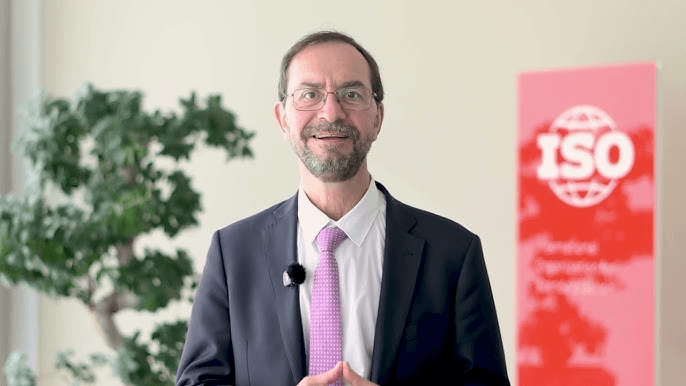
“The new edition of ISO 14001 is smoother to implement and integrates seamlessly with other ISO management system standards, making it easier for organizations of all sizes to embed environmental management into their strategy, achieve tangible results and demonstrate real impact,” said Sergio Mujica, ISO Secretary-General.
Governance and strategy move to the center
The revised standard places stronger emphasis on leadership accountability and governance structures, reflecting how environmental risk has moved from operational concern to board-level priority.
Organizations are now expected to integrate environmental considerations across value chains, not just internal processes. This includes deeper alignment with climate change mitigation, biodiversity protection, and resource efficiency goals, areas increasingly embedded in national policy frameworks and investor mandates.
Susan Taylor Martin, Chief Executive of the British Standards Institution, highlighted the shift in expectations. “As environmental risks become more complex and interconnected, and expectations for transparency and accountability continue to rise, this latest revision represents far more than a routine update. It is a major step forward, strengthening governance, enhancing resilience and aligning with emerging priorities such as climate change, biodiversity and natural capital. It will equip organizations with the tools to embed environmental thinking into strategy, demonstrate real accountability and deliver measurable impact to support the transition to a fair society and a sustainable world.”

For executives, this reframing is significant. Environmental management systems are no longer compliance tools. They are instruments of risk management, capital allocation, and long-term value creation.
RELATED ARTICLE: ISO Launches Global Climate Adaptation Standard to Strengthen Local Resilience Planning
Linking standards to measurable climate outcomes
A central question for ESG leaders has been whether standards translate into real-world emissions reductions. New data suggests they do.
Preliminary research led by the Standards Council of Canada, analyzing 83 countries over more than two decades, finds a measurable relationship between ISO 14001 adoption and emissions intensity. A 1% increase in certifications is associated with a 0.14% reduction in greenhouse gas emissions per unit of GDP.
The findings offer rare empirical backing for the role of standards in driving systemic change, particularly as economies continue to grow.
“We know that standards help reduce costs, improve efficiency, and support stronger economies. We’ve been measuring these impacts at the organizational level. But increasingly, through targeted research, we’re able to demonstrate their broader, system-wide benefits. This study is a strong example of that. In simple terms, increasing the use of ISO 14001 is associated with lower emissions, even as the economy continues to grow.
“Another important finding is that countries with more mature standardization systems – where industry, government and regulators work closely together – see even greater benefits. These are significant findings that reinforce what we’ve long believed: standardization delivers real value across economic, environmental and societal fronts,” said Chantal Guay, CEO of the Standards Council of Canada.

Implications for investors and policymakers
The updated ISO 14001 standard lands as governments tighten disclosure rules and financial institutions refine ESG screening criteria. For investors, certification under a more rigorous and outcome-focused framework provides a clearer signal of operational performance and transition readiness.
It also aligns with broader regulatory momentum, from climate disclosure mandates to biodiversity frameworks, where standardized, verifiable data is becoming essential.
For policymakers, the evidence linking standards adoption to emissions reductions strengthens the case for integrating voluntary frameworks into national climate strategies.
From ambition to execution
ISO 14001:2026 reflects a broader shift in the sustainability landscape. Environmental responsibility is no longer defined by intent or narrative. It is assessed through measurable performance, resilience, and accountability.
“We are encouraged by the findings of this new research and excited to launch the new edition of ISO 14001: a trusted standard, renewed for today – helping organizations everywhere continue to turn environmental commitment into performance, resilience and lasting value,” Mujica said.
For global business, the message is clear. The era of environmental ambition without evidence is closing. Standards like ISO 14001 are becoming critical infrastructure for translating climate goals into operational reality, shaping how companies compete, comply, and attract capital in a rapidly tightening ESG environment.
The post ISO Sets New Global Standard for Environmental Performance appeared first on ESG News.