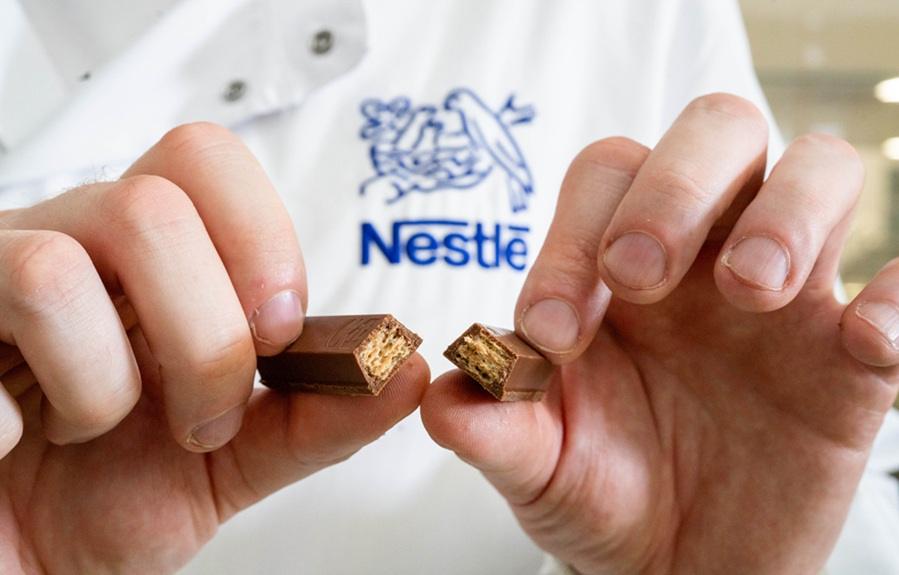
Global food and beverage company Nestlé announced the launch of a new partnership with UK-based regenerative agriculture company Wildfarmed, which will enable the use of regeneratively farmed wheat in the production of the company’s KitKat bars in the U.K.
Regenerative agriculture practices are aimed at addressing the environmental impact of farming and agriculture, and include techniques to improve and restore ecosystems, build soil health and fertility, reduce emissions, enhance watershed management, increase biodiversity, and improve farmers’ livelihoods.
Founded in 2018 by Andy Cato, George Lamb and Edd Lees, Wildfarmed works with a network of British farmers, focusing on key regenerative agriculture principles, including minimizing soil disturbance, maintaining year-round soil cover, and increasing crop diversity. According to Wildfarmed, these practices help improve biodiversity, and enhance soil health, in addition to reducing water pollution and carbon emissions.
The partnership follows a series of successful trials conducted last year at Nestlé’s manufacturing facility in York. After testing the ingredient in a commercial setting, Nestlé has started to incorporate Wildfarmed’s wheat into regular production at the site.
Following the initial trials, the regeneratively will be used in Nestlé’s York factory in its production of 1.5 billion KitKat bars per year.
Edd Lees, Wildfarmed CEO and co-founder, said:
“1.5 billion KitKat bars are made every year in the UK. Partnering with Nestlé to use regenerative British wheat is a big step forward in our mission to make regenerative farming the default, not the exception, and prove that nature restoration can sit at the heart of iconic brands.”
Nestlé has set a goal to source 50% of its key ingredients from farmers using regenerative agriculture by 2030, as part of its Regenerative Agriculture Framework in 2022, aimed at helping the company reach its sustainability and 2050 net zero climate goal through promoting sustainable farming practices and responsible sourcing.
Dr Emma Keller, Head of Sustainability at Nestlé UK and Ireland, said:
“This collaboration is all about making the KitKat everyone has known and loved for the last 90 years in an even more sustainable way, all while supporting British wheat farmers to adopt regenerative farming practices that are intended to support carbon reduction and increase biodiversity.”