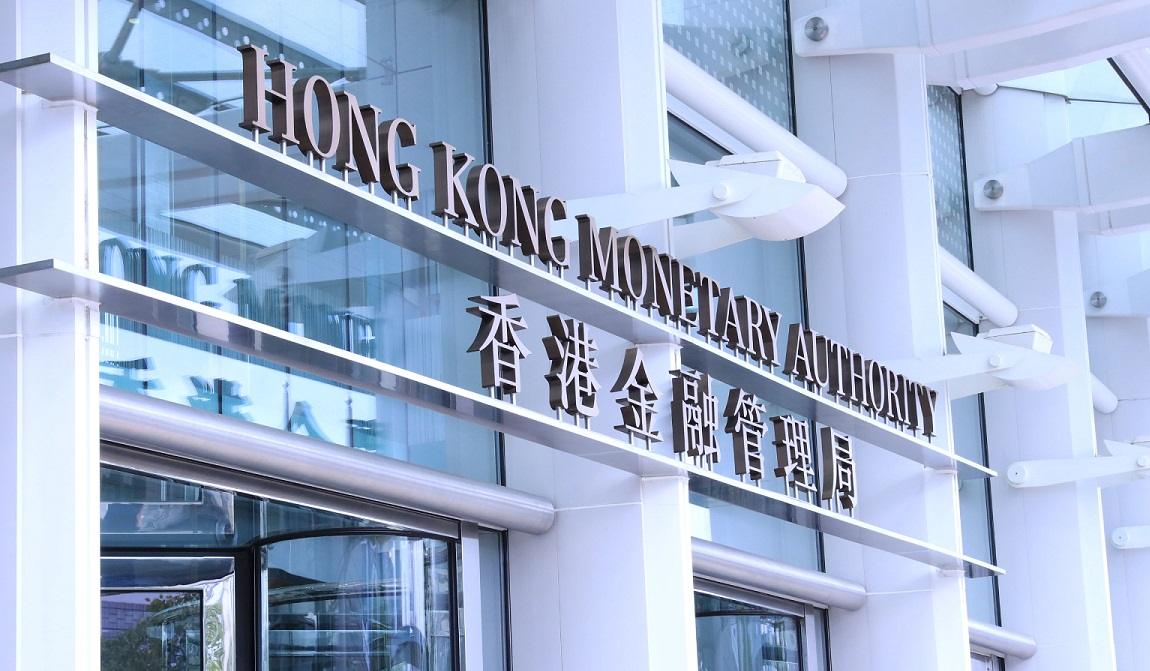
The Hong Kong Monetary Authority (HKMA), Hong Kong’s central banking institution, announced the release of the Hong Kong Taxonomy for Sustainable Finance Phase 2A, expanding its classification system for identifying environmentally sustainable economic activities to include transition activities, climate adaptation, and a significantly broader range of sectors and economic activities.
The release of the new update follows the launch by the HKMA in May 2024 of its initial Taxonomy, aimed at providing a framework to allow investors to identify and invest in activities that generate a positive impact on the environment, and to avoid those with a negative impact, as well as to align investments with climate goals, and reduce the risk of investing in assets that are not aligned with a low-carbon future.
At the time, the HKMA said that it aimed to use a phased approach to establishing the Taxonomy, adding more sectors and categories over time, and the central bank subsequently launched a consultation on its proposed “Phase 2A” in September 2025.
Among the most significant changes in the new updated Taxonomy is the addition of categories focused on climate transition, expanding the Taxonomy from its initial focus on only green categories. With the update, the Hong Kong Taxonomy now categorizes climate mitigation activities as Green, indicating that they either already operate at net zero emissions or are aligned with a 1.5°C pathway; Transition, indicating that they are carbon-intensive activities that are on a time-bound decarbonization pathway to align with a 1.5°C trajectory that will ultimately reach net zero in 2050, or; Exclusion, indicating that they are not currently eligible under the Taxonomy, as they are either not aligned with Green or Transition criteria, are incompatible with a 1.5°C future, or are of low climate materiality, with minimal relevance to climate objectives.
In the updated Taxonomy, the HKMA said:
“The inclusion of transition elements in the Taxonomy is critical for driving the decarbonisation of the real economy. It enables the mobilisation and scaling up of transition finance to high-emitting sectors, such as energy and manufacturing, to shift systematically towards more sustainable practices. By defining credible pathways for these sectors to align with net zero goals, the Taxonomy strives to minimise economic disruption in carbon-intensive industries and promote an orderly transition, with a view to balancing environmental imperatives with economic growth.”
The updated Taxonomy introduces two classifications under the Transition category, including “Transition Activity,” which refers to economic activities that are not yet aligned with a 1.5°C pathway but are progressing towards alignment, or enable significant short-term emissions reductions, and “Transition Measure,” referring to specific activity components that could partially improve the emission performance of the activity, such as the purchase of low-carbon energy for aluminum production.
Notably, the criteria utilized for the updated Taxonomy’s transition category include a requirement for the activity to be “time-bound,” with eligibility limited to a prescribed sunset date, which varies by sector and activity based on factors such as technological readiness, environmental impact, and regulatory policies, among others.
Another key change in the Taxonomy is the introduction of a Climate Change Adaptation category. The new category initially includes “adapting measures,” or subcomponents of activities rather than complete standalone activities, such as technologies, processes, materials, practices, or services that positively contribute to the resilience and adaptation of broader activities. The category also launches with a “whitelist” approach, with a curated list of measures that are automatically deemed eligible without the need to meet specific criteria. The HKMA said that in the future, “as global and local understanding of adaptation improve and Hong Kong-specific criteria and thresholds are more robustly established, other more sophisticated assessment approaches… may be explored.”
The update also significantly expands the sectors covered under the Taxonomy from 4 to 6, adding Manufacturing, and Information & Communications Technology, and more than doubles the number of economic activities from 12 to 25, adding activities including transmission and distribution of electricity, district heating and cooling, and low-carbon transport infrastructure, among others.
The HKMA said that development of the next phase of the Taxonomy is already underway, with additional activities such as nuclear and natural gas-fired power generation, hydrogen for electricity generation, sustainable aviation fuel, among others being considered for future development, as well as sectors such as Carbon Capture, Utilisation and Storage and waste and wastewater treatment, alongside further work on adaptation and the exploration of the role of “Do No Significant Harm.”
Click here to access the Hong Kong Taxonomy Phase 2A.