
• Brazilian decarbonization market projected to grow from $43.1B to $76.8B by 2030
• Framework focused on MRV-ready data to support traceability, carbon and nature-based initiatives
• Initial sector pilot in beef, with expansion optional across agriculture and natural-resource value chains
Brazil’s State of Mato Grosso has taken a structured step toward digital ESG infrastructure through a new Joint Venture Framework Agreement between global ESG technology firm Diginex, BGlobal and the State government. The proposed collaboration aims to enable standardized sustainability reporting, MRV-ready data, and a digital “green passport” mechanism for export-oriented industries, beginning with beef.
The initiative enters a fast-growing domestic market. Brazil’s decarbonization market was valued at roughly $43.1 billion in 2024 and is projected to reach $76.8 billion by 2030, according to company data. The sustainability management software segment, which includes carbon accounting and reporting systems, is also expected to expand from about $141.4 million in 2024 to $341.4 million by 2030.
A State Critical to Global Agriculture and Natural Capital
Mato Grosso covers more than 900,000 square kilometers and is one of Brazil’s most material regions for agriculture and natural resources. The state supplies global food chains while preserving about 60 percent of its territory, creating both biodiversity value and important climate implications.
Positioning transparency and traceability at scale has become a competitive factor for exporters. The Framework Agreement acknowledges this by seeking to align data infrastructure with internationally recognized ESG standards and disclosure requirements. A digital infrastructure backbone would enable auditable emissions data, standardized reporting formats and sector-based measurement tools capable of supporting emerging carbon and nature-based projects.
The effort is not designed as a carbon credit program but rather as an enabling layer to tighten governance, measurement, and verification. Any market-based mechanisms would need separate agreements and dedicated oversight.
Data, Disclosure and Governance Infrastructure
Diginex and its subsidiary PlanA.earth bring emissions accounting and ESG reporting expertise to the venture. BGlobal contributes on-the-ground coordination, political interface, and stakeholder engagement in Brazil. The State sees strategic value in strengthening existing sustainability initiatives, including its “Passaporte Verde” program for export markets.
“The Framework Agreement reflects our ambition to support real-world sustainability at scale. Mato Grosso is a globally significant region for agriculture, natural capital, and climate, and we see a strong opportunity for robust data and ESG infrastructure to play a constructive role. This Framework Agreement allows us to move forward in a disciplined and structured manner, while maintaining the highest standards of governance and credibility,” commented Miles Pelham, Chairman of Diginex.
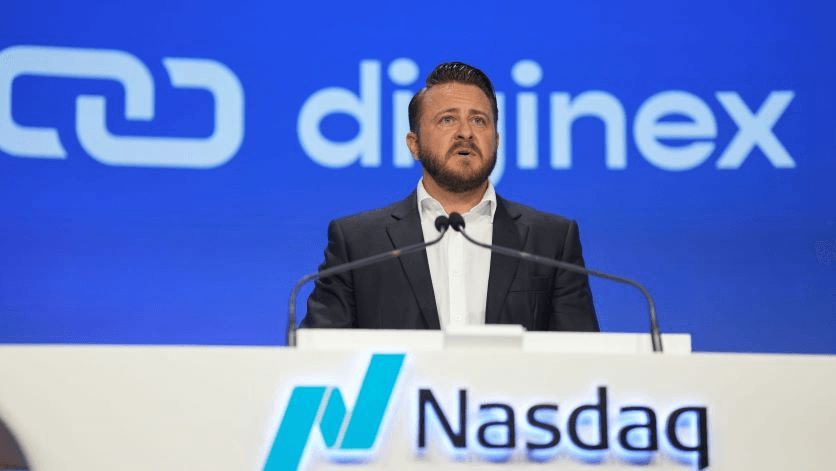
Marta M. DeVito, Managing Director and CEO of BGlobal, added, “Mato Grosso has the scale, the assets, and the ambition to lead in sustainable development. By combining strong local engagement with globally recognized ESG and reporting capabilities, proposed collaboration creates the basis for transparency, traceability, and long-term value creation across key sectors.”
RELATED ARTICLE: Diginex, SGS Strengthen Alliance to Scale Sustainable Finance Solutions
Implications for Corporates, Investors and Export Markets
For companies operating in Mato Grosso, the pilot offers a pathway to measure and disclose sustainability performance in a consistent manner aligned with international norms. This is increasingly relevant for climate-aligned buyers, financial institutions, commodity traders, and export regulators that rely on verifiable emissions and land-use data. Rising scrutiny in the EU and emerging due diligence standards in the United States add practical market pressure for traceability.
For investors, the Framework Agreement implies a maturation of Brazil’s sustainability data infrastructure. Reliable MRV-ready data affects risk pricing in both agriculture and land-use sectors, particularly where deforestation exposure, nature-based projects, and low-carbon supply chains intersect. Governance discipline is also central, as credibility determines whether future nature or carbon outcomes can be financed.
Regional and Global Significance
The pilot model carries potential relevance beyond Brazil. Many resource-rich regions face the same dual challenge: supporting commodity exports while proving climate and biodiversity integrity. Mato Grosso’s approach tests whether digital disclosure infrastructure can create verification pathways that are trusted across borders.
If successful, the framework could lower transaction costs for compliance, accelerate access to export markets, and enable financial innovation around carbon and natural capital. The broader test is whether standardized data and ESG reporting can align public policy, corporate decarbonization and private capital at regional scale.
The Framework Agreement now enters implementation through a sector-based pilot. Expansion across additional sectors remains an option as governance, stakeholder capacity and market demand evolve.
Follow ESG News on LinkedIn
The post Diginex, Mato Grosso Advance Digital ESG and Decarbonization Infrastructure appeared first on ESG News.