- Heathrow plans to reach 5.6% Sustainable Aviation Fuel use in 2026, moving 2% above the UK’s 3.6% mandate.
- More than £80 million ($100M) in airline incentives aims to narrow the price gap between kerosene and SAF and accelerate adoption.
- The programme could cut about 600,000 tonnes of carbon emissions while shaping global airport policy on aviation decarbonisation.
London Pushes Aviation Beyond Mandate
London’s Heathrow Airport is expanding its Sustainable Aviation Fuel incentive programme for a fifth consecutive year, setting a target that exceeds the UK government’s mandate and places commercial pressure on airlines to accelerate decarbonisation.
The airport aims for SAF to account for up to 5.6% of total fuel uplift in 2026, equivalent to roughly 350,000 tonnes. The initiative builds on Heathrow’s strategy to use financial levers to push industry progress ahead of regulatory timelines, a move that reflects growing pressure on aviation hubs to demonstrate credible pathways toward net zero.
Over £80 million will be made available to airlines to help offset the higher cost of SAF compared with conventional jet fuel. By reducing the pricing gap, Heathrow hopes to unlock wider adoption at scale while sending a signal to fuel suppliers and investors that demand is strengthening.
Finance And Policy Driving Adoption
Sustainable Aviation Fuel remains significantly more expensive than fossil-based kerosene, a barrier that has slowed uptake across the industry despite government mandates. Heathrow’s incentive scheme seeks to change the economics by effectively halving the cost difference for participating airlines.
SAF can be produced from a range of feedstocks and typically delivers lifecycle emissions reductions of around 70%. According to Heathrow, the planned 2026 uplift could reduce aviation emissions by approximately 600,000 tonnes. That reduction is comparable to more than 950,000 economy class passenger round trips between Heathrow and New York’s JFK Airport.
The approach reflects a broader governance trend in European aviation, where regulators are setting baseline mandates while infrastructure operators experiment with market-based mechanisms to push adoption faster. Heathrow’s strategy places it ahead of the UK’s national target of 10% SAF by 2030, with the airport aiming for 11% within the same timeframe.
RELATED ARTICLE: Qatar Commits $1.3 Billion to Climate Tech in the UK
Leadership Position In Global SAF Markets
Heathrow’s leadership stance is partly rooted in its existing influence within global fuel supply chains. In 2024, 17% of the world’s SAF supply was used at the airport, positioning it as a testing ground for scaling cleaner fuels across high-volume international routes.
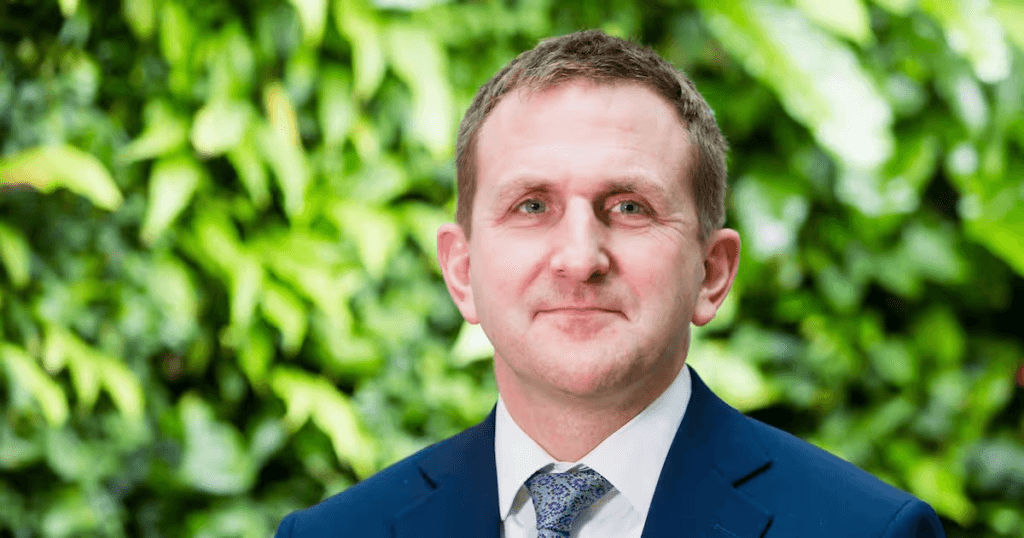
Matt Gorman, Heathrow’s Director of Sustainability, said: “Sustainable Aviation Fuel is not a hypothetical concept for the future, it’s already producing real impact in 2026. Heathrow is leading the way globally, with 17% of the world’s SAF supply in 2024 used at the airport. SAF is a key lever on aviation’s journey to net zero by 2050, and a key element of Heathrow’s Net Zero Plan. Our incentive delivers real progress today, as well as a future promise for tomorrow.”
The emphasis on tangible progress reflects mounting scrutiny from investors and policymakers who are demanding measurable emissions reductions rather than long-term pledges. Airports, once viewed primarily as infrastructure providers, are increasingly acting as coordinators of climate strategy across airlines, fuel producers, and regulators.
What Executives And Investors Should Watch
For airline executives, Heathrow’s expanded incentive programme highlights how financial mechanisms at major hubs may begin shaping route economics and fleet planning decisions. Airlines operating through London could gain competitive advantages by participating in SAF schemes that reduce emissions exposure and align with emerging disclosure frameworks.
Investors are also watching closely. Incentives tied to fuel uptake offer a real-time indicator of demand growth in the SAF market, a sector expected to attract significant capital as governments tighten aviation emissions rules.
More broadly, Heathrow’s move reflects a shift in governance dynamics across global aviation. Rather than waiting for policy mandates to dictate timelines, large infrastructure players are beginning to set their own targets, creating a patchwork of voluntary standards that may influence future regulation.
As aviation faces increasing scrutiny over its climate impact, Heathrow’s decision to push beyond national requirements shows how airports can reshape industry momentum. Whether similar incentive structures emerge at other major hubs will play a decisive role in determining how quickly SAF moves from niche fuel to global mainstream.
Follow ESG News on LinkedIn
The post Heathrow Targets 5.6% SAF Use in 2026 With $100M Incentive to Exceed UK Mandate appeared first on ESG News.