- Airbus, Qantas and thyssenkrupp Uhde back Australia’s push to build a domestic low carbon fuel industry
- Portland Renewable Fuels project targets 300,000 tonnes of low carbon methanol annually for shipping and aviation
- New methanol to jet facility could produce more than 135 million litres of SAF each year as global demand accelerates
HAMR Energy has secured AUD 10 million ($7 million) in Series A funding from aviation and industrial heavyweights Airbus, Qantas and thyssenkrupp Uhde, positioning the company to expand a pipeline of low carbon liquid fuel projects aimed at hard to abate sectors such as aviation and maritime transport. The investment reflects growing industry alignment around domestic sustainable aviation fuel production as governments and airlines confront tightening climate targets and supply constraints.
Strategic Capital Targets Australia’s SAF Gap
The funding arrives as global demand for sustainable aviation fuel is projected to reach 500 million tonnes by 2050, according to IATA, far exceeding current production capacity. HAMR Energy plans to address this gap by converting plantation forestry residues into low carbon methanol, a fuel that can be used directly in shipping or upgraded into sustainable aviation fuel.
Honeywell will support the initiative by supplying its UOP eFining process technology, enabling renewable fuel production from methanol and strengthening the commercial pathway for new aviation fuels. For investors, the project combines decarbonisation potential with energy security goals, particularly as Australia seeks to reduce reliance on imported fuels.
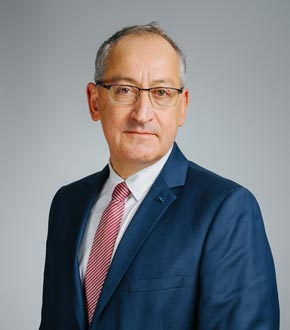
David Stribley, Co-Founder of HAMR Energy, said: “This funding round is a pivotal moment for HAMR Energy and for Australia’s clean energy future. With the backing of world-class partners, we are advancing projects to deliver the lowest-cost, lowest-carbon fuels to decarbonise aviation and shipping at scale. This investment will help us play an important part in realising Australia’s goals of establishing an LCLF industry.”
Portland Renewable Fuels Anchors Regional Development
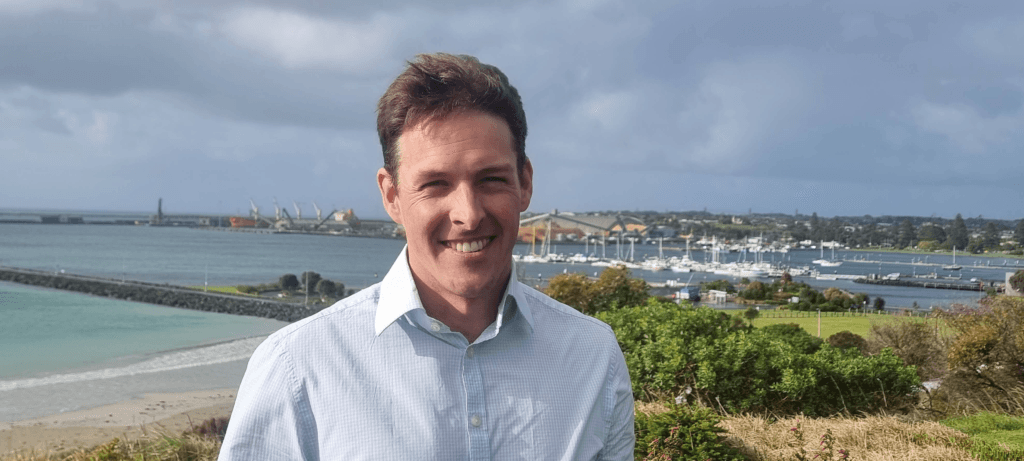
The company’s flagship development, Portland Renewable Fuels in regional Victoria, is designed to produce 300,000 tonnes of low carbon methanol annually using residues from local plantation forestry operations. Beyond emissions reductions, the project is framed as a regional economic driver tied to Australia’s industrial transition.
A study by ICF commissioned by Qantas and Airbus estimates that a domestic sustainable aviation fuel sector could generate AUD 13.1 billion in gross value add and support or create up to 70,000 jobs. HAMR Energy’s vertically integrated model relies on long term supply agreements with partners such as sustainable plantation forestry company OneFortyOne, leveraging existing byproducts rather than dedicated energy crops.
Fiona Messent, Qantas Group Chief Sustainability Officer, said: “Building sustainable aviation fuel supply in Australia is essential to meeting our decarbonisation targets and reducing aviation’s emissions. But the benefits extend well beyond our industry – a domestic SAF sector means jobs, regional investment, and economic growth across Australia. HAMR Energy’s vertically integrated approach represents a significant step forward, and we’re proud to support production that will help establish this critical local industry.”

RELATED ARTICLE: California to Vote on Stricter Low Carbon Fuel Standard Amid Higher Cost Concerns
Scaling Technology Pathways for Aviation Decarbonisation
HAMR Energy is also developing what it describes as Australia’s first major methanol to jet fuel facility, with the capacity to convert methanol into more than 135 million litres of sustainable aviation fuel annually. The project could create hundreds of construction jobs and up to 130 long term operational roles while strengthening local supply chains for aviation fuel.
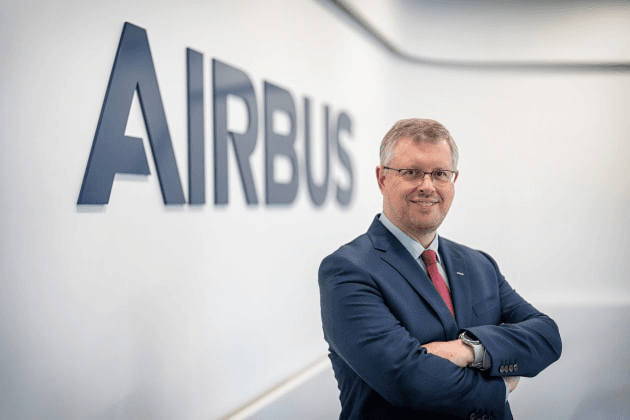
Stephen Forshaw, Airbus Chief Representative, Australia, New Zealand and the Pacific, said: “Airbus sees HAMR Energy’s innovative approach to producing SAF from methanol as a very interesting technology pathway, which can help accelerate the industry’s transition to sustainable fuels. We are also excited to support the development of this proposed project in Victoria. Developing low carbon fuel production in more of Australia’s states has the potential to create broad access for offtakers across the country – so important when we consider the reach of our industry.”
Nadja Håkansson, CEO, thyssenkrupp Uhde GmbH, said “This is an important milestone for the future of renewable fuels in Australia. For us at thyssenkrupp Uhde, it’s a great example of how our technology and project delivery capabilities can help turn ambitious concepts into industrial reality – thanks to the great collaboration with HAMR and all partners involved. Projects like this succeed when developers, technology partners, execution experts, and future offtakers work hand in hand from the very beginning. Joining forces across the entire ecosystem is what creates real world impact.”

What Executives and Investors Should Watch
The participation of Airbus and Qantas through their joint Australian Sustainable Aviation Fuel investment fund reflects a broader shift in airline strategy toward direct investment in fuel supply chains. For corporate leaders, the deal highlights how vertically integrated fuel models, feedstock innovation and regional industrial policy are converging to shape the next phase of aviation decarbonisation.
As governments tighten climate frameworks and investors look for scalable transition assets, Australia’s low carbon liquid fuel sector is emerging as a strategic test case. If projects like Portland Renewable Fuels move from concept to full production, they could redefine how countries with strong forestry resources position themselves in the global sustainable fuels market while reshaping the economics of aviation’s path to net zero.
Follow ESG News on LinkedIn
The post HAMR Energy Secures $7M Series A to Scale Low Carbon Fuels for Aviation, Shipping in Australia appeared first on ESG News.