- Saudi Arabia rehabilitates 1 million hectares under the Saudi Green Initiative, positioning land restoration as a strategic climate and economic investment
- Effort integrates policy, science, and technology, including cloud seeding and early warning systems, in one of the world’s most water scarce regions
- Milestone strengthens global land governance momentum ahead of COP17 and reinforces alignment with UNCCD frameworks
In a region defined by aridity and water scarcity, Saudi Arabia has restored one million hectares of degraded land, marking one of the most ambitious large-scale land rehabilitation efforts globally. The milestone, delivered under the Saudi Green Initiative, comes as land degradation and drought pressures intensify across both developed and emerging economies.
Nearly half the world’s population is already affected by land degradation, with cascading impacts on food security, water availability, and economic stability. Against this backdrop, Saudi Arabia’s progress offers a case study in how policy alignment, financing, and technical innovation can converge to deliver measurable outcomes in challenging environments.
Scaling Restoration In Extreme Conditions
The restoration programme has been implemented under some of the harshest climatic constraints globally, requiring a combination of long-term planning and adaptive technologies. Saudi Arabia has deployed cloud seeding programmes to enhance rainfall, introduced early warning systems for sand and dust storms, and expanded protected areas to stabilize ecosystems and improve biodiversity outcomes.
These interventions move beyond environmental remediation. They position land restoration as core infrastructure for economic resilience. Healthy land systems directly support agricultural productivity, water retention, and rural livelihoods, making them central to national development strategies.
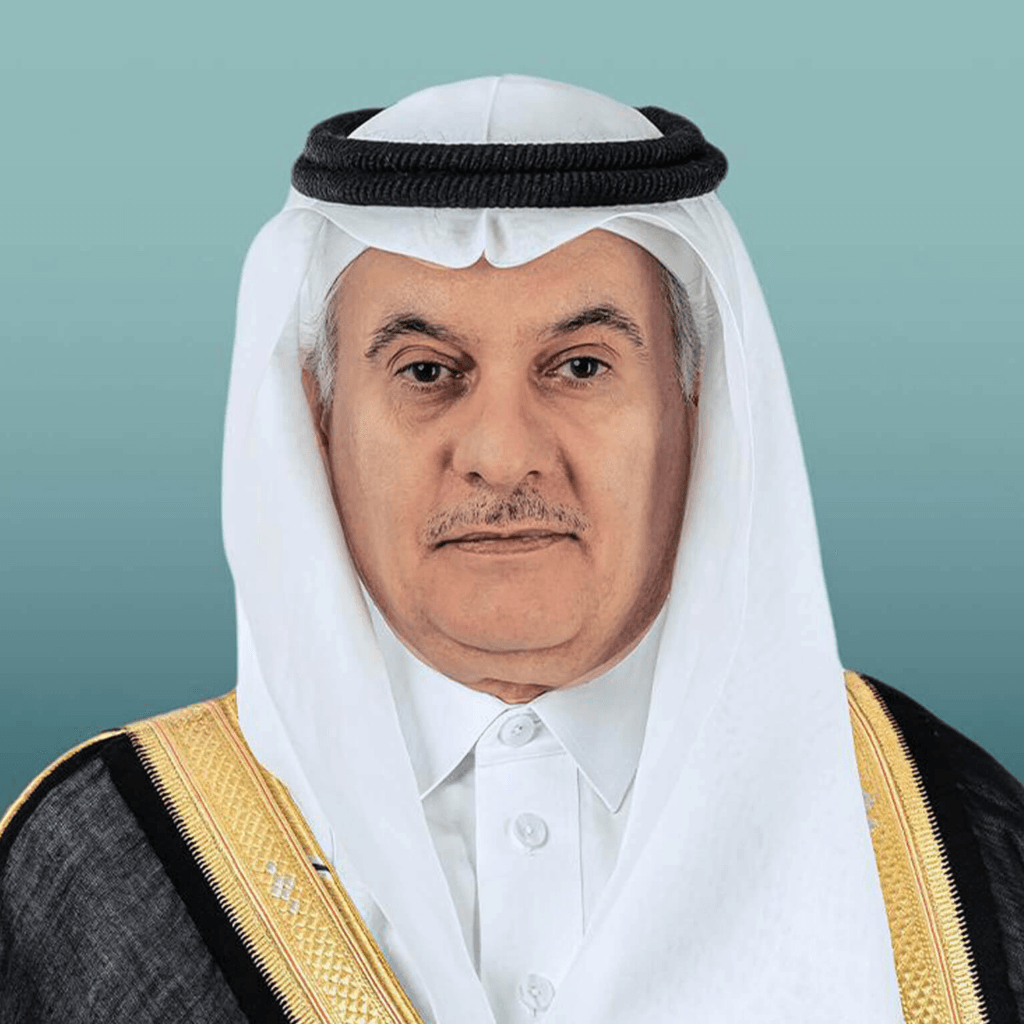
“Reaching one million hectares of restored land marks a pivotal milestone in Saudi Arabia’s environmental journey. It reflects our leadership’s commitment to sustainability and demonstrates how coordinated action across government, private sector and communities can deliver lasting impact, strengthening ecosystems, supporting biodiversity, and advancing our Vision 2030 goals.” Eng. Abdulrahman bin Abdulmohsen Al-Fadley, Minister of Environment, Water and Agriculture – KSA.
Global Frameworks And Policy Alignment
Saudi Arabia’s progress is closely tied to international land governance frameworks, particularly through its engagement with the United Nations Convention to Combat Desertification (UNCCD). The Kingdom has also advanced regional and multilateral collaboration via the Middle East Green Initiative and the G20 Global Land Initiative.
Yasmine Fouad, Executive Secretary of the UNCCD, framed the milestone as both proof of concept and a signal to policymakers worldwide. “This milestone shows that restoring land at scale is not only possible but also it is already happening,” she said. “In a world facing rising drought and increasing water stress, this achievement sends a clear signal: with the right policies, science, and commitment, countries can turn environmental challenges into opportunities for resilience and growth.”
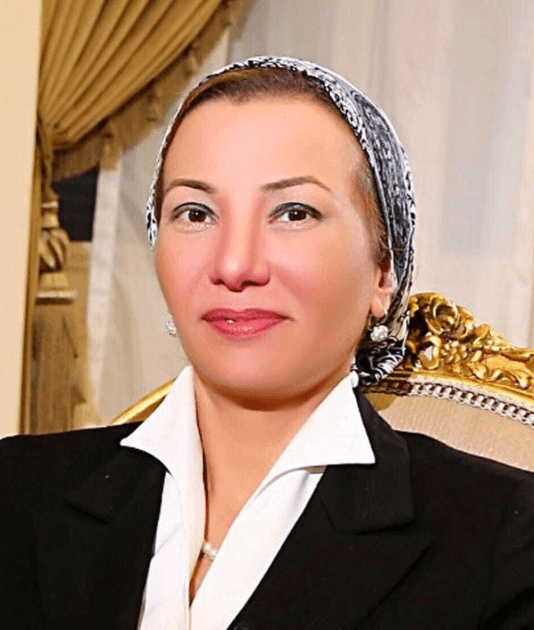
Her remarks reflect a broader shift in ESG and climate policy, where land restoration is increasingly treated as a strategic lever for both mitigation and adaptation, rather than a peripheral environmental goal.
RELATED ARTICLE: Saudi Arabia Invests Over $500 Billion in Sustainable Tourism: Minister
Land As Economic And Social Infrastructure
The financial case for land restoration is becoming more pronounced. Degraded land weakens water systems, reduces agricultural output, and increases vulnerability to climate shocks, particularly in emerging markets. Conversely, investment in land health delivers returns across multiple sectors, from agriculture and water management to insurance and infrastructure resilience.
“Land is our most vital infrastructure,” Dr. Fouad added. “When land degrades, water systems weaken, food production declines, and communities become more vulnerable. Investing in healthy land is investing in people, stability and long-term prosperity.”
For investors and policymakers, this reframing positions land restoration as a cross-cutting asset class, intersecting with climate finance, food systems, and sovereign risk management.
Implications Ahead Of COP17
The timing of Saudi Arabia’s milestone is significant. The global community is preparing for the seventeenth session of the Conference of the Parties (COP17) to the UNCCD, scheduled for August 2026 in Mongolia. Expectations are rising for countries to move from pledges to demonstrable outcomes.
Saudi Arabia’s experience illustrates how national strategies can translate global commitments into tangible progress. It also highlights the scale required. Restoring one million hectares is not incremental. It is systemic.
“Restoring land is not only an environmental necessity, it is a pathway to resilience, stability and prosperity,” Dr. Fouad said. “The progress we are seeing today shows what is possible when ambition is matched with action.”
As drought risks intensify and land pressures mount, the Saudi model offers a clear message to governments and investors alike. Land restoration is no longer optional. It is central to economic security, climate resilience, and long-term growth.
Follow ESG News on LinkedIn
The post Saudi Arabia Restores 1 Million Hectares, Scaling Land Resilience In Water Stressed Regions appeared first on ESG News.