- DHL Freight introduces tiered CO2e reduction options of 10%, 30%, and 80% to broaden access to low-emissions logistics
- Book and claim model enables emissions reductions without operational constraints, supporting wider adoption across fragmented supply chains
- Verified reporting and certification align with corporate ESG disclosures and tightening European regulatory expectations
DHL Freight is expanding its GoGreen Plus offering with a new Flex model designed to accelerate emissions reductions across its European road transport network, while lowering barriers for businesses of all sizes to participate.
The updated service introduces three emissions reduction tiers, allowing shippers to cut greenhouse gas emissions from transport by 10%, 30%, or 80% on a well to wheel basis. The structure is paired with flexible pricing, aimed at aligning sustainability commitments with varying budget and operational constraints.
The move comes as corporate decarbonization strategies face growing scrutiny from regulators and investors, particularly across Europe where transport emissions remain a major challenge in meeting climate targets.
Tiered Access To Decarbonization
Under the GoGreen Plus Flex model, customers can select between three service levels: BASE, SMART, and PREMIUM. Each corresponds to a defined emissions reduction level, offering a practical pathway for companies at different stages of their sustainability journey.
This tiered approach reflects a broader shift in logistics. Instead of requiring full system transformation upfront, companies can now incrementally reduce emissions while maintaining cost control and operational continuity.
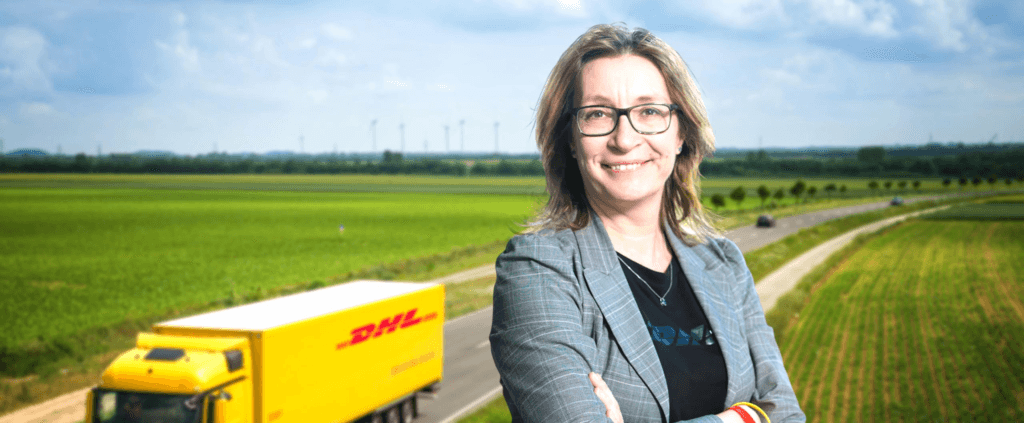
“With the different options of GoGreen Plus Flex and its easy booking process, we aim to empower our customers, regardless of the size of their business, to reduce their CO2e emissions from transport. It’s important not only to provide the right carbon intelligence and solutions but also to make them as easy and convenient as possible for all customers. GoGreen Plus Flex makes more sustainable logistics solutions accessible to all,” said Dr. Antje Huber, Global Head of Strategy, Marketing, and Chief of Staff at DHL Freight.
Book And Claim Expands Market Reach
A central feature of the offering is its book and claim mechanism, which decouples the physical movement of goods from the allocation of emissions reductions. This allows DHL to deploy renewable fuels and alternative drive technologies across its network, while assigning the resulting emissions savings to participating customers.
The model addresses one of the key friction points in freight decarbonization. Many businesses do not ship enough volume to fill entire trucks or control specific routes. By using book and claim, smaller shippers can still access verified emissions reductions without requiring dedicated low-emission transport assets.
This approach is increasingly gaining traction across carbon markets and supply chains, particularly where infrastructure for zero emission transport remains unevenly distributed.
RELATED ARTICLE: DHL and Shell Partner to Boost Sustainable Air Freight in Europe
Aligning With ESG Reporting And Regulation
DHL’s expanded service also places emphasis on measurement and verification, a critical requirement as ESG disclosures become more standardized and regulated.
Customers receive annual certificates confirming emissions reductions, which can be used in sustainability reporting and compliance frameworks. For higher-tier services, emissions data is reported monthly, providing more granular tracking for companies with advanced reporting needs.
This level of transparency is becoming essential as frameworks such as the EU’s Corporate Sustainability Reporting Directive raise expectations for Scope 3 emissions accounting, including logistics and transport.
Implications For Executives And Investors
For C-suite leaders and investors, DHL Freight’s Flex model highlights a broader transition in logistics from optional sustainability initiatives to integrated, reportable carbon strategies.
The introduction of scalable, flexible decarbonization tools reflects growing pressure to reduce Scope 3 emissions without disrupting operations or inflating costs. It also signals increasing competition among logistics providers to offer verifiable, data-driven emissions solutions.
As adoption grows, demand for renewable fuels and alternative drivetrains is expected to rise in parallel. DHL explicitly links customer uptake of GoGreen Plus to increased deployment of these technologies, reinforcing the feedback loop between demand signals and infrastructure investment.
A Scalable Pathway For Freight Decarbonization
Road freight remains one of the most difficult sectors to decarbonize, particularly in Europe where cross-border logistics, fragmented supply chains, and cost pressures complicate transition efforts.
By lowering entry barriers and aligning emissions reductions with corporate reporting needs, DHL Freight is positioning GoGreen Plus Flex as a scalable solution that can move beyond early adopters.
The broader significance lies in its replicability. As regulatory pressure intensifies and investor scrutiny deepens, flexible, verified carbon reduction models are likely to become a standard expectation across global logistics networks.
Follow ESG News on LinkedIn
The post DHL Freight Expands GoGreen Plus Flex To Scale Road Freight Emissions Cuts Across Europe appeared first on ESG News.