
- SWISS and Lufthansa Group are partnering with Swiss SAF technology company Metafuels to support synthetic fuel development and future procurement access.
- The agreement comes ahead of planned synthetic fuel additive quotas in Switzerland and the EU from 2030.
- Metafuels’ aerobrew process converts sustainable methanol into aviation fuel that can be used in existing aircraft and infrastructure.
Swiss Aviation Moves Ahead On Synthetic Fuel Supply
Zurich is moving deeper into the race for lower emission aviation, as Swiss International Air Lines joins forces with Metafuels to advance synthetic sustainable aviation fuel.
The partnership brings together Switzerland’s national airline, the Lufthansa Group and a domestic fuel technology company developing scalable SAF production. For SWISS, the deal is about more than research. It is a move to secure future access to synthetic fuels before tighter regulation reshapes aviation fuel markets.
SWISS and Lufthansa Group are considering long-term SAF procurement contracts with Metafuels. That matters because new synthetic fuel additive quotas are expected in Switzerland and across the European Union from 2030. As those requirements approach, airlines face a strategic question: who can secure supply early, and at what cost?
Metafuels Targets Scalable SAF Production
Metafuels has developed a process that converts green methanol into sustainable aviation fuel. The technology can use biomethanol or e-methanol, giving it flexibility across future feedstock markets.
Its fuel is also designed for practical deployment. It can be used in existing aircraft fleets and fuel infrastructure, reducing one of the major barriers to adoption. For airlines, that compatibility is critical. Aviation has few near-term decarbonization options that can work at scale without replacing fleets or rebuilding airport systems.
The company’s aerobrew process uses sustainable methanol produced from renewable energy, water and carbon dioxide. It then converts that methanol into aviation fuel. Metafuels is establishing a demonstration SAF production plant at the Paul Scherrer Institute in Villigen, Switzerland. At the same time, it is developing its first commercial SAF production plant in Rotterdam.
SWISS Looks To Lock In Long-Term Access
“Future availability of sustainable fuels at sufficient scale will only be possible if investments in technologies and partnerships are made today. That is exactly what we are doing with Metafuels,” says Jens Fehlinger, CEO of SWISS. “We do not want to wait on the sidelines, but actively contribute to making synthetic fuels market-ready and scalable. At the same time, this partnership helps secure long-term access to these solutions. The fact that we are taking this step together with a Swiss company sends a strong signal for us. As an airline, we are doing everything within our power to actively drive the transformation of aviation forward. At the same time, it is clear that achieving our goals will now require industrial-scale production. Sustainable fuels must become available much faster, at affordable prices and in significantly larger quantities in the future.”
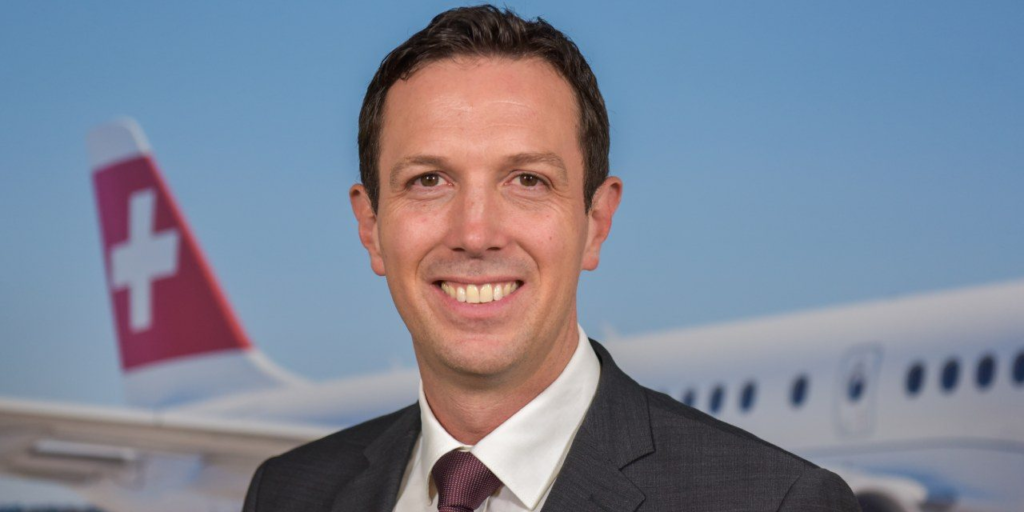
His comments point to the central challenge facing aviation’s climate transition. SAF is widely viewed as one of the sector’s most important decarbonization tools. However, supply remains limited, costs remain high and commercial-scale production is still developing.
For C-suite leaders and investors, this is where the deal becomes relevant. Airlines are no longer treating SAF as a distant compliance item. Instead, they are using partnerships, procurement discussions and early-stage technology support to manage future exposure to regulation, fuel scarcity and emissions costs.
RELATED ARTICLE: SWISS Partners with Neustark on Multi-Year Carbon Removal Deal
Policy Pressure Is Building
The timing is significant. Switzerland and the EU are expected to adopt synthetic fuel quotas from 2030. These rules will increase demand for fuels that are still not available in sufficient volumes.
That creates risk for airlines, but also opportunity for technology developers. Companies able to scale credible synthetic SAF production could become strategically important suppliers in the next phase of aviation decarbonization.
“This agreement with SWISS and the Lufthansa Group is both a milestone for us and a clear affirmation of the role that synthetic SAF will play in the future of aviation,” says Saurabh Kapoor, CEO of Metafuels. “It’s particularly significant, too, that we have secured SWISS, Switzerland’s national airline, as our first partner from the aviation sector.”
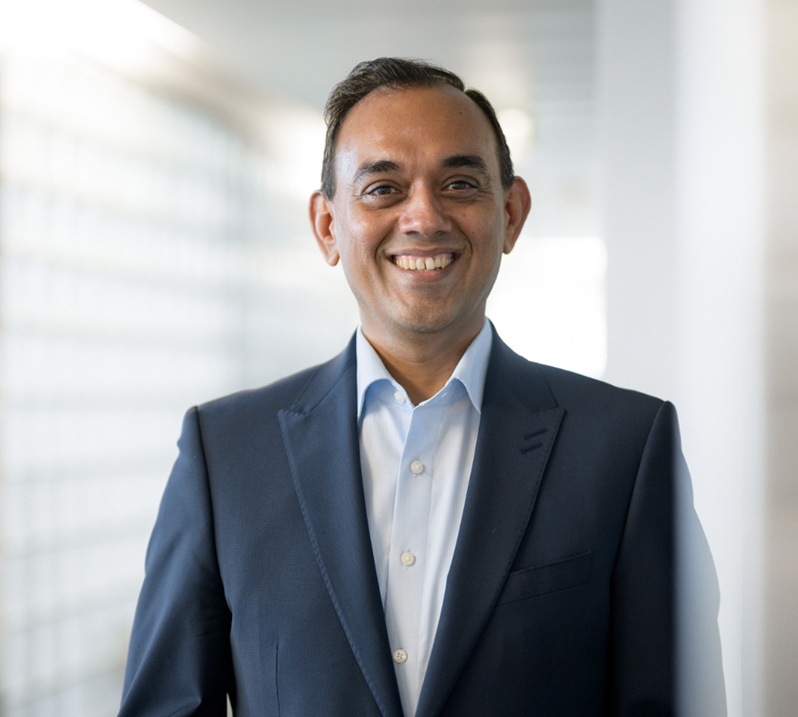
“We are united with SWISS in our shared objective of paving a viable and scalable way to providing lower-emission air travel,” Kapoor continues. “With both rising demand projected and tighter regulatory provisions ahead, synthetic fuels will only gain in importance. And we’re convinced that Switzerland has a key role to play in all these developments.”
Aviation’s SAF Race Enters A New Phase
The Lufthansa Group has been active in SAF development through research partnerships, pilot projects, industry alliances and customer-focused SAF offers. SWISS has also been working with partners and customers to promote sustainable fuels and support production scale-up.
The airline is pursuing SAF alongside investment in newer, more fuel-efficient aircraft. Together, these measures form part of its broader effort to reduce carbon dioxide emissions from flight operations.
However, the wider aviation sector still faces a supply gap. Current and planned SAF production capacity is unlikely to meet today’s decarbonization goals. Without faster scale-up, airlines will struggle to align climate targets, regulatory obligations and passenger demand.
For Switzerland, the SWISS and Metafuels partnership adds an industrial policy layer. It supports domestic clean technology, strengthens the country’s innovation base and connects aviation decarbonization with future fuel security.
For global aviation, the message is clear. The SAF market is moving from ambition to procurement strategy. Airlines that wait for abundant supply may find themselves competing for scarce volumes in a regulated market.
The post SWISS Partners With Metafuels To Secure Future Synthetic SAF Supply appeared first on ESG News.