The European Commission announced that it has approved a €23 billion state aid program by Italy to support the deployment of renewable electricity generation, aimed at accelerating the country’s energy transition and helping meet EU renewable energy targets.
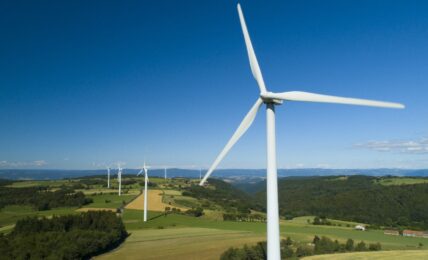
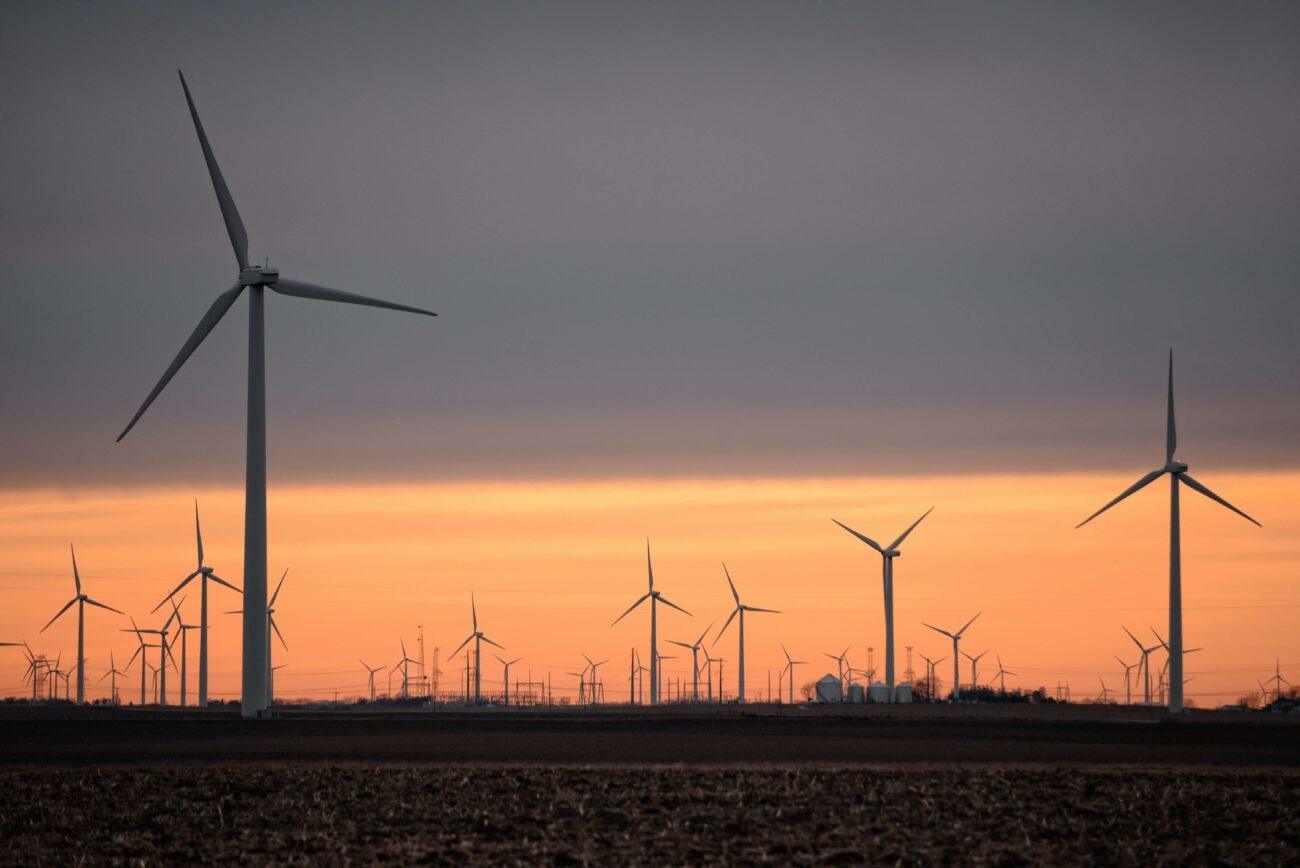
The program will support the construction of installations that generate electricity using onshore wind, solar power, hydropower, and sewage gas, which are anticipated to add more than 37 GW of renewable electricity capacity – equivalent to approximately 48% of current RES capacity in Italy.
The Commission’s approval was made under the new Clean Industrial Deal State Aid Framework (CISAF), designed to enable Member States to provide support for goals including clean energy development, industrial decarbonization and clean technology.
Adopted in May 2025, CISAF allows for quicker approval of State aid measures for the roll-out of renewable energy and ensure sufficient manufacturing capacity of clean tech. The framework forms part of the EU’s Clean Industrial Deal, aimed at accelerating decarbonization initiatives while supporting manufacturing in Europe, and addressing key challenges including climate change and industrial competitiveness.
Under the scheme, the aid will take the form of variable payments under two-way contracts for difference (CfDs) that provide a bonus for each kWh of electricity produced and supplied to the grid, based on a so-called strike price. If electricity market prices are lower than the strike price, the state will pay the difference. If they are higher, the companies will pay back the difference. The CfDs will remain in place for a period of 20 years.
The aid will be granted on the basis of a transparent and non-discriminatory bidding process, with developers bidding on the strike price needed to carry out each individual project. The Italian government will also conduct a separate bidding procedure for solar and wind technologies with capacities above 1 MW, which will be subject to additional regulatory requirements.
Plants with capacities lower than 1 MW will be eligible for support from the scheme directly, without participating in a bidding process. For these projects, the strike price will be administratively set by the Italian energy regulator, Autorità di regolazione per energia reti e ambiente (ARERA).
The Commission said that the scheme’s €23 billion budget is based on current electricity market price assumptions and that actual net public support could be considerably lower if market prices remain above expected levels.
The Commission said that the Italian scheme aligns with the conditions set out in the CISAF, will significantly contribute to Italy’s decarbonization objective of reaching 39.4% of gross final energy consumption from renewable energy sources by 2030. The initiative is expected to lower electricity prices and reduce the Union’s dependency on energy imports, in line with the objectives set out in the EU’s Clean Industrial Deal and in the REPowerEU plan, according to the Commission.
Teresa Ribera, Executive Vice-President for Clean, Just and Competitive Transition said:
“With this €23 billion scheme, Italy will support the production of renewable electricity from various technologies, such as onshore wind, solar or hydropower, to reach the goals of the Clean Industrial Deal. The scheme will also help Italy reduce its dependence on fossil fuels imports and enhance its renewable energy share.”