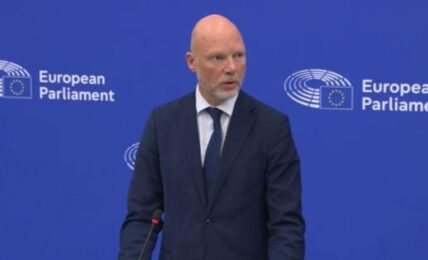
- European clean aviation companies are calling for EU funding, regulation, and market incentives to support zero-emission and hybrid-powered aircraft.
- The coalition wants dedicated R&D support under FP10, industrialisation funding through the European Competitiveness Fund, and faster EASA certification capacity.
- Proposed reforms include greener airport slots, environmental charges, electric and hydrogen airport infrastructure, and stronger carbon pricing for fossil jet fuel.
Clean Aviation Push Lands in Brussels
Brussels is facing a direct call from Europe’s aviation clean-tech sector: make the EU the global base for zero-emission flight.
A coalition of European companies developing zero-emission and hybrid-powered aircraft, known as ZEHA, is urging the European Commission to place disruptive aircraft technologies at the centre of its upcoming Aviation Strategy. Many of these firms are new entrants trying to bring electric, hydrogen, and hybrid aircraft into commercial service.
Their argument is not only about climate. It is also about industrial policy, energy security, and Europe’s place in the next era of aviation.
The companies say zero-emission and hybrid aircraft can reduce aviation emissions, use domestic renewable electricity and green hydrogen, and help secure European technological leadership. They also warn that without a coordinated EU framework, promising technologies may struggle to move from labs and prototypes into commercial fleets.
Funding Must Target Breakthrough Technologies
The coalition is calling for public aviation R&D support to focus on high-risk, high-reward propulsion systems and aircraft designs. It argues that these technologies can deliver larger efficiency gains than incremental improvements to existing aircraft platforms.
A core proposal is to ringfence part of R&D funding under the EU’s next Multiannual Financial Framework. The coalition specifically points to the 10th Framework Programme, known as FP10, as a vehicle for backing new entrants.
These companies often depend on bringing breakthrough technologies to market. Yet they face high upfront costs, long certification timelines, and limited access to traditional aviation finance.
The coalition also wants stronger partnerships between smaller clean-tech companies and large incumbent aerospace groups. That could help scale new propulsion systems, aircraft components, and supply chains across Europe.
Industrialisation is another priority. The group says the European Competitiveness Fund should use instruments that attract private investment into clean aviation manufacturing. Support should cover both aircraft makers and European suppliers of components, systems, and sub-systems.
Certification capacity is also central. The coalition says the European Union Aviation Safety Agency must have enough resources to certify new propulsion technologies safely and on time. For investors, certification delays can become a material deployment risk.
Airport Rules Could Shape the Market
The coalition wants the EU to use aviation legislation to create demand for cleaner aircraft.
It is asking the European Commission to amend the Slot Regulation so zero-emission and hybrid aircraft receive green priority within airport slot pools at suitable airports. That could give clean aircraft better access to constrained European airports.
The group also wants changes to the Ground Handling Directive. It says clean aircraft operators need fair and transparent access to electric charging and hydrogen refuelling services. Competition in airport energy supply should also be protected, so clean aircraft operations remain commercially viable.
Airport charges are another lever. The coalition wants the Airport Charges Directive updated so airports covered by the rules apply environmental modulation of charges. These charges should consider CO₂, nitrogen oxides, and noise. It also calls for air navigation charges to include environmental modulation.
Infrastructure planning is a further test. Under the Alternative Fuels Infrastructure Regulation, Member States should identify airports that will host electric aircraft. That would allow charging infrastructure, grid upgrades, and future hydrogen refuelling capacity to be planned ahead of demand.
The coalition also wants the Alternative Fuels Infrastructure Facility extended for 2026 and 2027.
RELATED ARTICLE: EU Allocates $5.6B to Accelerate Hydrogen, Heat Decarbonization and Net Zero Industrial Technology
Support Mechanisms and Carbon Pricing
The coalition says Europe must bridge early operating cost gaps for zero-emission and hybrid aircraft. Without support, first movers may face higher costs than conventional aircraft operators.
One option would be a support mechanism under ReFuelEU, based on a similar principle to electricity credits used for electric vehicles under the Renewable Energy Directive. Another option would be support through the EU Emissions Trading System, expanding the FEETS sustainable aviation fuel support scheme.
The coalition also wants the Air Services Regulation revised. It says environmental criteria should be strengthened in tenders for Public Service Obligation routes. Shorter flight routes could also face progressively tighter CO₂ intensity caps once zero-emission and hybrid aircraft enter service.
Member States, it adds, should explore dedicated “green PSOs” for suitable routes.
The group also calls for a stronger polluter pays principle in aviation. Fossil jet fuel, it says, remains too cheap compared with its climate impact. That weakens the business case for cleaner aircraft and e-SAF.
A stronger carbon price could help close that gap. The coalition says part of the revenue should be reinvested into aviation decarbonisation, including through the Innovation Fund.
What Executives and Investors Should Watch
For aviation leaders, the message is clear. Europe’s clean aviation transition will depend on more than aircraft innovation. It will require aligned funding, infrastructure, certification, airport regulation, and carbon pricing.
For investors, the next EU Aviation Strategy could shape the bankability of zero-emission and hybrid aircraft companies. Market creation tools, slot access, and operating cost support may determine whether technologies move from demonstration to deployment.
For policymakers, the stakes are wider. Aviation remains one of the hardest sectors to decarbonise. Europe has a chance to build an industrial base around cleaner aircraft before global competitors move faster.
As the coalition put it: “We urge the European Commission and Member States to act decisively. With the proposed framework, the EU would create a supporting ecosystem so that the future of flying is made in Europe.”
The post Aviation Clean-Tech Coalition Urges EU to Back Zero-Emission Flights in New Aviation Strategy appeared first on ESG News.