
- The UK will launch a £219 million low carbon fuels fund to accelerate sustainable aviation fuel production and strengthen domestic supply.
- £93 million will be available over the next two years for projects closest to production, with applications opening in mid-July.
- Low carbon fuel production could support 15,000 jobs and add up to £5 billion to the UK economy by 2050.
UK targets aviation emissions with new SAF funding
The UK government is committing £219 million to low carbon fuels, with a sharp focus on sustainable aviation fuel as it seeks to cut flight emissions, attract private capital and build an industrial base around cleaner aviation.
The new Low Carbon Fuels Fund will launch later this summer. It will make £93 million available over the next two years for UK companies developing and scaling low carbon fuels. Applications will open in mid-July.
The government said the funding will focus on the most advanced and commercially promising projects. That means priority support for companies moving closest to real production.
The fund follows £198 million already invested through the Advanced Fuels Fund since 2022. Together, the measures form part of the UK’s attempt to secure an early position in a global market still short on supply, infrastructure and bankable production models.
Government links SAF to jobs, growth and net zero
Sustainable aviation fuel remains one of the aviation sector’s main decarbonisation tools. The UK government said SAF can reduce greenhouse gas emissions by an average of 70% on a lifecycle basis compared with fossil jet fuel.
That matters for airlines, airports and fuel suppliers facing rising pressure to grow capacity while meeting net zero commitments. It also matters for investors, who need policy certainty before backing capital-intensive production plants.
Aviation, Maritime and Decarbonisation Minister Keir Mather said: “This £219 million is the next chapter in Britain’s green aviation revolution. We’re backing brilliant British innovation, creating thousands of high-skilled jobs and making sure the UK leads the world in the fuels that will power the future of flight. This kind of investment is exactly how we kickstart economic growth, open up exciting new opportunities for young people and make our holidays greener and cleaner.”

The government said low carbon fuel production could support 15,000 jobs and add up to £5 billion to the economy by 2050. Ministers are also framing the SAF sector as a route into skilled careers across engineering, science, construction and manufacturing.
Mandate review aims to support delivery
Alongside the funding, the government launched a Call for Evidence on the SAF Mandate. The mandate requires an increasing share of jet fuel supplied in the UK to be sustainable.
It starts at 2% in 2025, rises to 10% by 2030 and reaches 22% by 2040. The government said overall mandate targets are not being considered for reduction.
Instead, the review will assess global supply projections for different types of sustainable fuel. It will also examine how industry can meet the targets as markets evolve.
For executives, this is the governance issue at the centre of the announcement. The UK wants to keep its climate targets intact, while testing whether the policy design gives industry enough flexibility to deliver.
The Call for Evidence could shape future compliance costs, investment timelines and risk allocation across fuel suppliers, airlines and project developers.
RELATED ARTCLE: UK Emissions Drop 2% to 367 Million Tons in 2025
Industry sees stronger investment case
Fuel producers welcomed the announcement, particularly those already working with prior government support.
Keith Packer, Managing Director of British Sugar, said: “We are very pleased to see the launch of the DfT’s low carbon fuels fund and the clear commitment to further development of homegrown sustainable aviation fuel in the UK. At British Sugar, following a grant from the advanced fuels fund, the British BioJet project at our Wissington site is exploring the development of a sizeable demonstration plant.
It will utilise our existing waste feedstocks with ethanol-to-jet technology to produce 1,500 tonnes of SAF – supporting the growth in cleaner, greener jobs and investment. We welcome this next phase of funding to develop SAF, and look forward to making an application so that we can continue supporting the government’s ambition for net-zero aviation.”
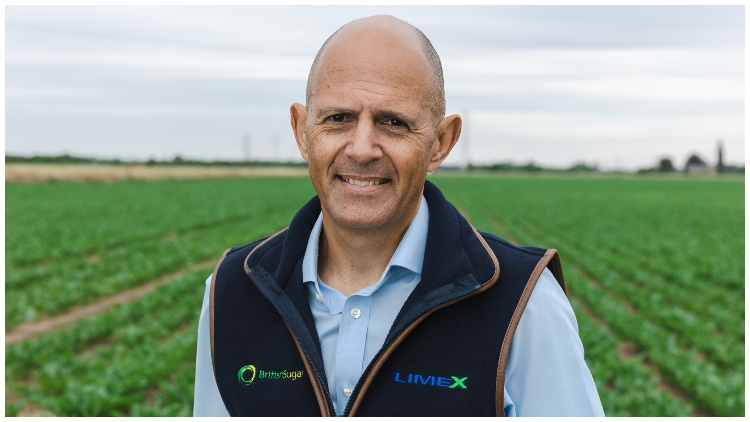
LanzaTech also linked the fund to domestic production and regional growth.
Jennifer Holmgren, Chief Executive of LanzaTech, said: “Today’s investment by the UK government strengthens the UK’s position as a global leader in sustainable aviation fuel production. It will help companies like LanzaTech turn waste into green jet fuel, creating skilled jobs and economic growth for example in Humberside, where we are developing a new SAF facility capable of supplying around 1% of the UK’s jet fuel demand. The call for evidence on future SAF targets is also an important step towards giving industry the long-term certainty needed to scale production and accelerate private investment today and beyond 2030.”

What executives should watch
The funding gives the UK SAF market another public finance anchor. But the bigger test will be whether government support can crowd in private capital at scale.
SAF projects need long-term offtake confidence, stable policy and credible feedstock supply. Airlines need fuel volumes that can meet mandates without creating excessive cost pressure. Investors need clarity on demand, regulation and technology risk.
For the global aviation sector, the UK’s move reflects a wider policy race. Governments are using mandates, grants and industrial strategy to localise SAF production before supply chains mature.
The outcome will shape not only aviation emissions, but also regional jobs, energy security and the competitive position of low carbon fuel hubs.
The post UK Launches $294 Million Low Carbon Fuels Fund to Scale Sustainable Aviation Fuel appeared first on ESG News.