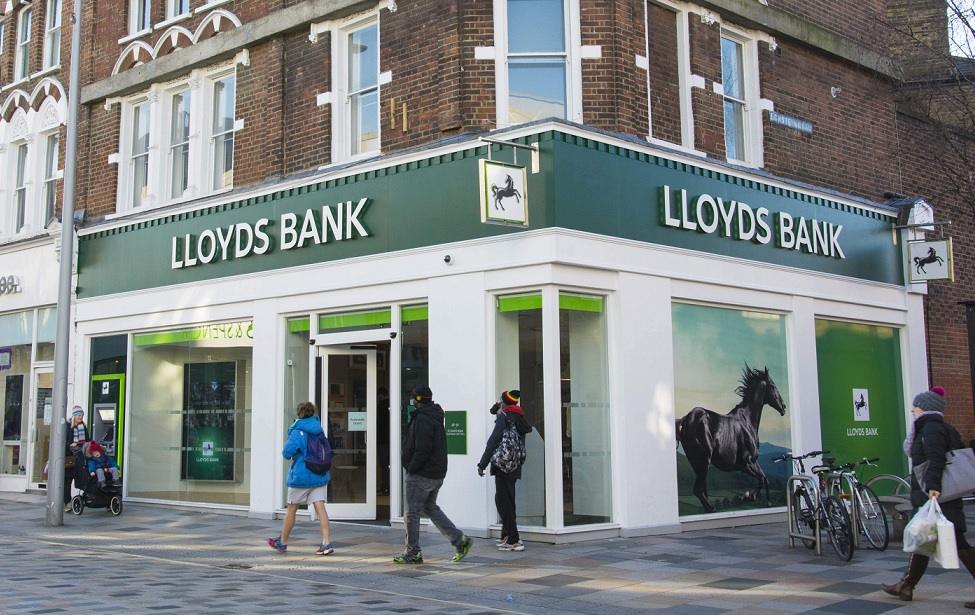
UK bank Lloyds Banking Group and regenerative agriculture company Wildfarmed announced the launch of the new Food & Nature Resilience Fund, designed to accelerate the transition farmland in the Uk to regenerative agriculture by supporting the adoption by farmers of practices that improve biodiversity, soil health, water quality and reduce carbon.
Regenerative agriculture practices are aimed at addressing the environmental impact of farming and agriculture, and include techniques to improve and restore ecosystems, build soil health and fertility, reduce emissions, enhance watershed management, increase biodiversity, and improve farmers’ livelihoods.
Lloyds said that the new fund is being launched at a time when research indicates that ecosystem decline could amount to a 12% hit to GDP over the next decade if nature degradation is not addressed.
The companies said that the fund will help to ensure that the adoption of regenerative practices remains commercially viable, noting that 92% of farmers cited financial constraints as the primary obstacle to transitioning to regenerative agriculture.
Ben Makowiecki, Agriculture Sustainability Director at Lloyds Banking Group, said:
“By bringing together businesses with a stake in resilient farming, healthy soils, clean water and thriving natural ecosystems, this fund can help set in motion the pace of change needed to scale regenerative agriculture across the UK while creating a more reliable financial model for farmers.”
Founded in 2018 by Andy Cato, George Lamb and Edd Lees, Wildfarmed works with a network of British farmers, focusing on key regenerative agriculture principles, including minimizing soil disturbance, maintaining year-round soil cover, and increasing crop diversity. According to Wildfarmed, these practices help improve biodiversity, and enhance soil health, in addition to reducing water pollution and carbon emissions.
The new fund is designed to incentivize farmers to adopt nature-positive farming practices without requiring them to take land out of food production. The companies said that the fund supports the principle that nature recovery and food production are not competing priorities.
Investors participating in the fund included water companies, Severn Trent and Affinity Water, along with global commercial insurer AXA XL, with further investors expected to be announced, the companies said. Lloyds and Wildfarmed noted that the fund enables investment from banks, utility companies, insurers and other businesses across food and non-food value chains, bringing together organizations that share a common interest in more resilient food and farmed landscapes – but that are not directly connected to food supply chains – to help accelerate the transition of land to regenerative practices.
Andy Cato, Co-founder at Wildfarmed, said:
“Nature and food production are too often seen in opposition, with payment schemes forcing farmers to choose one or the other. Yet a resilient, abundant future depends on nature-rich food-producing land. For many years, it has been an ambition for farmers to be rewarded for delivering nature and resilience whilst growing food, not instead of it. This partnership is a big step forward in making this a reality at scale.”