
The European Commission unveiled on Tuesday its highly-anticipated Climate Resilience Framework, combining a new proposed European Climate Resilience Law alongside a series of tools and supporting measures, aimed at strengthening the EU’s ability to anticipate, prepare for, and manage climate risks.
In addition to helping manage climate risks, the Commission also highlighted the anticipated rapid growth in the global market for climate adaptation solutions, projected to quadruple in size to €3.5 trillion by 2050, and highlighted the framework’s ability to help businesses to benefit from climate resilience solutions opportunities.
According to the Commission, the new framework also highlights a compelling economic case for climate resilience investments, which it estimated at €70 billion per year to adapt Europe’s infrastructure and economy to future climatic conditions, with return on investments in climate adaptation anticipated to be able to exceed 10 times their value in avoided loss and damage.
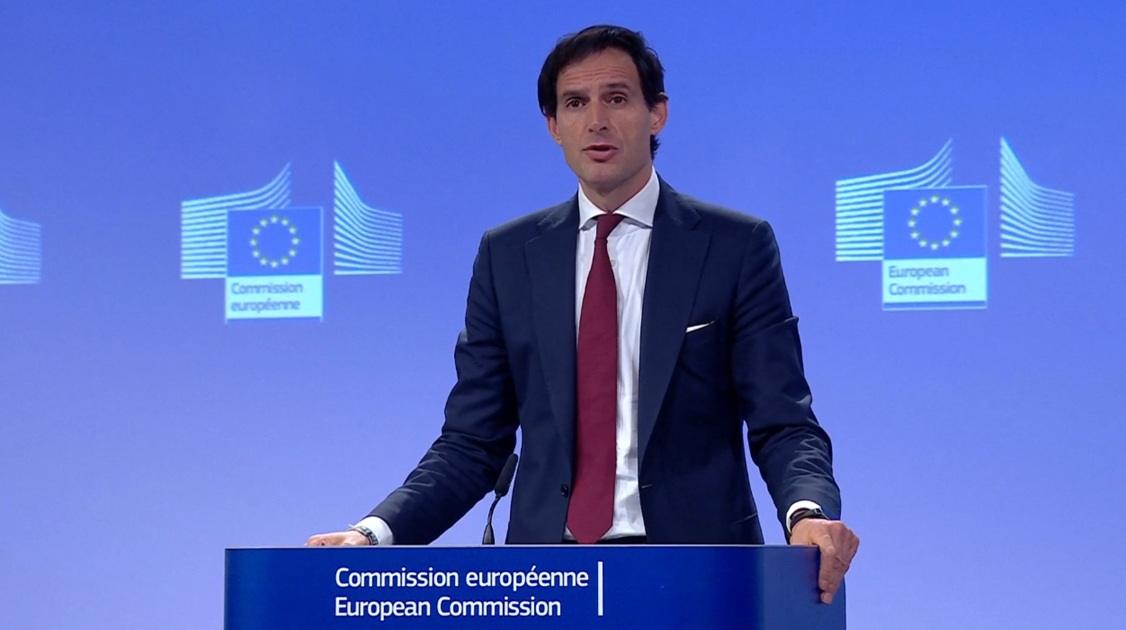
Wopke Hoekstra, EU Commissioner for Climate, Net Zero and Clean Growth, said:
“Every euro invested in resilience today helps protect jobs, businesses and livelihoods tomorrow. This new Framework will help us build a more resilient and competitive economy, while ensuring that no region or community is left behind.”
The Commission said that the new framework proposes a systemic change to embed climate resilience across all major policy areas, spanning both domestic and international. The new proposed Climate Resilience Law includes a series of core elements designed to provide a common set of rules for identifying, assessing and managing climate risks. Key elements of the proposal include the establishment of a reference global warming trajectory for risk assessments, planning and decision-making, simplification of national planning with a single strategic plan on climate resilience by the Commission and Member States, improved and more regular climate risk assessments, and simpler and more effective monitoring and progress tracking at the Member State and Union-level.
For businesses, the Commission highlighted the framework’s enabling measures for Member States to support investments in climate resilience projects, such as taxation or State aid measures, and said that it will support corporates in integrating climate risks into their climate resilience plans.
The Commission also said that it views public finance as a catalyst for the mobilization of private capital on climate resilience, and pledged to work closely with international and European bodies to support that objective, and to ensure that investment decisions better reflect climate-related risks. Notably, complementing the new framework the European Investment Bank Group presented its Climate Adaptation plan last week, committing to double its financing on climate resilience to at least €30 billion by 2030.
Additionally, the framework also aims to improve access to harmonized climate information and practical adaptation solutions through the introduction of a series of new digital tools, including the European Climate Viewer, providing an interactive map of projected climate hazards that will help users to understand what the shared warming trajectory means for different parts of Europe for different time periods, locations, and sectors; the Navigator of Climate Resilience Tools, helping public authorities to navigate the available solutions and choose those most relevant to their territories, sectoral needs, and climate vulnerabilities, and; the Mission Solutions Explorer, a platform showcasing practical adaptation solutions tried and tested by regions, cities, and communities.
The Commission said that it plans to put forward an Implementation Plan within six months of the put forward an Implementation Plan, and to present a Union strategic plan on climate resilience in 2028 and every five years.
EU Commission President Ursula von der Leyen said:
“Today, we are presenting a European approach to climate risks – to anticipate, to prepare for and to manage. We are ensuring that climate resilience will be included in policies across the continent, supporting investment, innovation and long-term growth.”