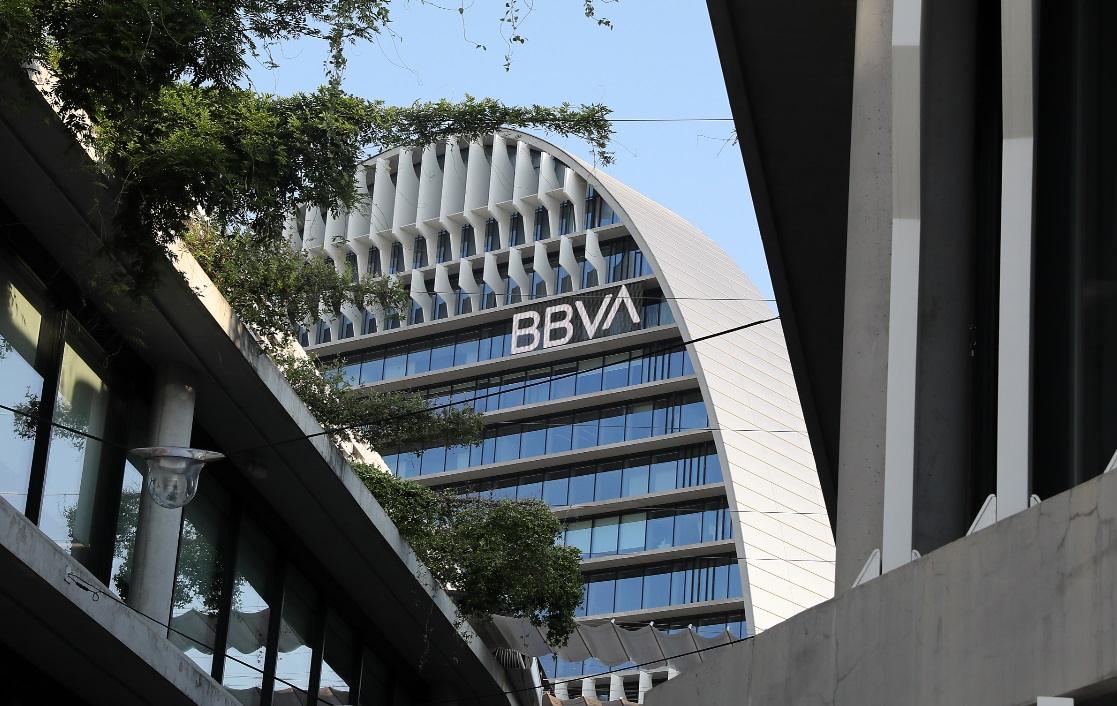
Spanish bank BBVA announced a significant increase in its sustainable finance activity in the first 9 months of 2026, channeling €120 billion into environmental and social business year-to-date, up 27% over the same period last year.
The results indicate continued momentum for BBVA, after the bank reported that it channeled a record €134 billion in sustainable business in 2025, marking an increase of more than 40% over 2024.
BBVA’s strong sustainable finance results follows an announcement last year by the bank of a new goal to channel €700 billion in sustainable finance between 2025 – 2029, more than twice the bank’s previous goal of €300 billion from 2018 – 2025, and over a significantly shorter period, after beating the target at the end of 2024, a year ahead of schedule.
In its update, BBVA revealed that it is more than a third of the way to its 2029 target, with the bank channeling €254 billion in sustainable finance since 2025, including €195 billion, or 77%, to environmental activities in areas including climate change and natural capital, and €59 billion, or 23% to social initiatives.
By business segment, BBVA’s Commercial Banking division led the growth in sustainable finance year-to-date, channeling around €45 billion in the first nine months of 2026, up 40% over the prior year, including around €33 billion to environmental activities and €13 billion to social initiatives. The Wholesale segment remained the largest for sustainable business, at approximately €60 billion, up 16% year-over-year, while Retail grew 38% over the prior year to around €14 billion.
By product, the bank said that financing and transactional banking accounted for 86% of the total channeled year-to-date, while capital markets contributed 10%, and project finance 4%.
BBVA said:
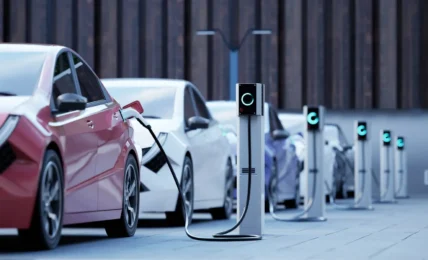
“Through financing and other solutions that are part of sustainable business, BBVA helps its clients to undertake projects related to energy efficiency, electrification, housing renovation and infrastructure development. For companies, among other things, these solutions help companies adapt their business models to the challenge of decarbonization and resource management. For individual customers, they support decisions such as the purchase of energy-efficient homes or electric vehicles.”