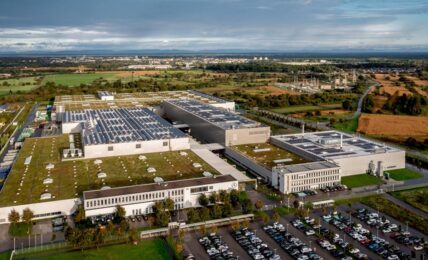

Finland-based refining and renewable fuels producer Neste announced today that it is revising some of its climate targets, citing its “current financial position and streamlined investment portfolio,” which the company said would make the required investments to reach its goals, including the transformation of its oil refinery in Porvoo, Finland into a renewables and circular solutions refining hub “currently not realistic.”
Among the changes, Neste said that it is replacing a target, set in 2020, to reach carbon neutral production by 2035, with a new goal to reducing greenhouse gas emissions in its own operations (Scope 1 & 2) by 80% by 2040, and that it is pushing out its interim target of 50% emission reduction from 2030 to 2035.
The company noted, however, that the new targets are focused on absolute emissions reductions, eliminating the option of using emission compensation to reach its goals. Additionally, Neste said that its current targets to reduce the use-phase emission intensity of sold products by 50% by 2040 and to help customers reduce their greenhouse gas emissions by 20 Mt annually by 2030 remain unchanged.
According to Neste’s CEO Heikki Malinen, the company’s initial climate targets depended on its plans to transform the Porvoo refinery by 2035, which it decided to delay earlier this year, leading to a reassessment of the goals. Neste launched a performance improvement program in February, citing a “significantly changed market environment and weakened financial performance.”
Neste said that its planning and development work to gradually convert the Porvoo refinery will continue, while the timeline for the transition from refining crude oil to producing renewable and circular raw materials will be determined in line with factors including actual fuel market demand, legislation development and technological development, adding that “for the time being, fossil fuels are needed, among other things, to ensure security of energy supply in Finland.”
Malinen said:
“Neste continues to provide its customers and consumers alternatives to fossil fuels, and our continuing investment in the world’s largest renewable fuels refinery in Rotterdam underlines our commitment to this. We have also been able to reduce GHG emissions in our own operations by 24% since 2019, despite increasing our production of renewable fuels. We continue our efforts to contribute to mitigating climate change, while at the same time ensuring sustainable financial performance and long-term success.”