- $2.1 million public funding supports early stage engineering, permitting, and commercial development ahead of final investment decision
- Project aligns with EU aviation decarbonisation mandates, including ReFuelEU Aviation targets for synthetic fuels
- Methanol-based e-SAF offers scalable alternative to constrained feedstocks, with up to 90% lifecycle emissions reduction potential
A Swiss clean aviation fuel developer is accelerating its push into Europe’s emerging e-SAF market, backed by fresh government funding tied to industrial decarbonisation goals.
Zurich-based Metafuels has secured a €1.92 million ($2.1 million) grant through the Netherlands Enterprise Agency (RVO), channelled via the Dutch government’s GroenvermogenNL programme. The funding will support development of the company’s Turbe synthetic sustainable aviation fuel project in the Port of Rotterdam, one of Europe’s largest energy and logistics hubs.
The award comes as policymakers across the European Union tighten aviation emissions standards and introduce binding quotas for sustainable aviation fuel under ReFuelEU Aviation. For project developers, access to early-stage public funding is becoming critical to move technologies from pilot scale to commercial deployment.
Funding Targets Pre-FID Milestones
The grant will be deployed across key pre-construction activities, including front-end engineering and design, permitting, and commercial structuring. These steps are essential to reaching final investment decision, a phase where many first-of-a-kind clean fuel projects face financing bottlenecks.
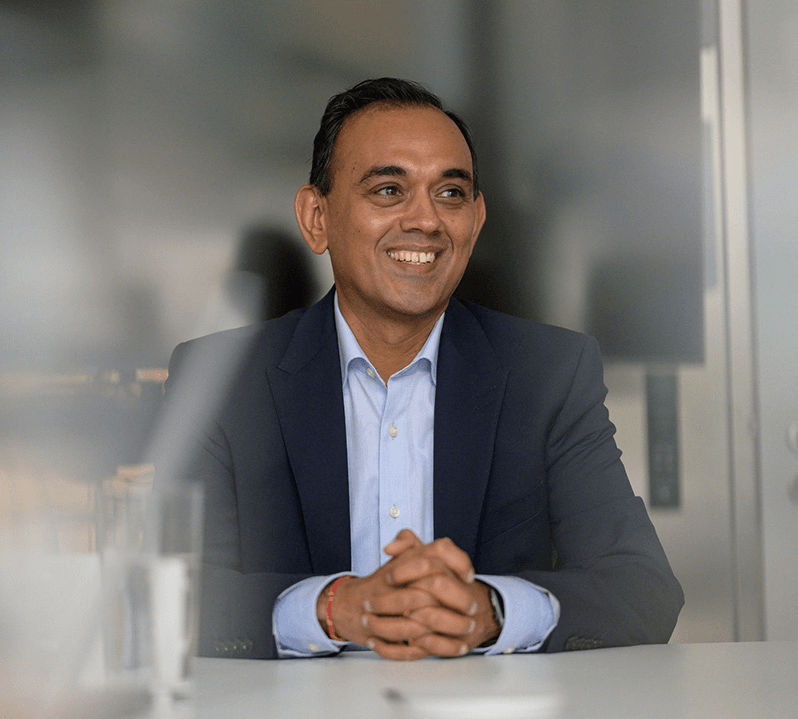
“Securing this support from RVO is a strong validation of both our technology and our approach to scaling e-SAF production, and the merits of the Turbe project. Rotterdam is one of Europe’s most important energy and industrial hubs, and an ideal location to deliver large-scale synthetic fuel projects. This grant enables us to accelerate Turbe towards FID and make commercial e-SAF production in Europe a reality,” said Saurabh Kapoor, Chief Executive Officer of Metafuels.
The Rotterdam location offers strategic advantages. Existing methanol storage and handling infrastructure, established industrial networks, and multimodal transport links reduce both capital intensity and execution risk for early deployments.
Technology Focus: Methanol-to-Jet Pathway
Metafuels is advancing a proprietary methanol-to-jet process known as aerobrew, which converts renewable methanol into aviation fuel. The company positions this pathway as a scalable alternative to traditional SAF production routes that rely on limited feedstocks such as used cooking oils and animal fats.
“The award recognises the strength of Metafuels’ proprietary methanol-to-jet technology, aerobrew, and its potential to deliver scalable, cost-competitive e-SAF aligned with Dutch and European climate objectives,” the company said.
When powered by renewable electricity, green hydrogen, and captured carbon, methanol-based e-SAF can reduce lifecycle emissions by up to 90% compared to conventional jet fuel. Crucially, the fuel is designed to be fully compatible with existing aircraft and airport infrastructure, avoiding costly retrofits across the aviation value chain.
Policy Alignment and Market Timing
The Turbe project is targeting production from 2030, aligning with the European Union’s phased mandates for increasing shares of sustainable aviation fuel, including dedicated quotas for synthetic fuels. These policy frameworks are expected to create a guaranteed demand signal, de-risking long-term investments.
From a governance perspective, the Dutch government’s involvement reflects a broader industrial policy approach across Europe, where public funding is being used to anchor early clean fuel projects in strategic ports and industrial clusters.
Rotterdam, already a focal point for hydrogen and carbon capture infrastructure, is positioning itself as a hub for synthetic fuels, linking upstream renewable energy supply with downstream transport demand.
Scaling Momentum and Capital Formation
The grant follows a €20.7 million ($24 million) funding round led by UVC Partners earlier this year, highlighting growing investor appetite for aviation decarbonisation technologies. The company has also awarded a front-end engineering and design contract to McDermott and installed a demonstration plant at the Paul Scherrer Institute in Switzerland, which is preparing for operation.
Metafuels is expanding its project pipeline beyond the Netherlands, with development activities underway in Denmark, signalling a broader European rollout strategy.
For executives and investors, the project illustrates how public funding, industrial infrastructure, and regulatory certainty are converging to unlock the next phase of aviation decarbonisation. While significant scale-up challenges remain, particularly around renewable energy supply and cost competitiveness, early movers with viable pathways are beginning to secure both policy backing and capital.
As Europe accelerates its push toward net zero aviation, projects like Turbe are moving from concept to execution, setting the foundation for a new synthetic fuel market that could reshape the sector’s long-term emissions trajectory.
Follow ESG News on LinkedIn
The post Metafuels Secures $2.1 Million Dutch Grant to Advance Rotterdam e-SAF Project appeared first on ESG News.