
PepsiCo, and its suppliers Givaudan, Smurfit WestRock, announced today the signing of a multi-year renewable energy purchase agreement aimed at advancing emissions reductions across the value chain in Europe.
The new agreement forms part of PepsiCo’s pep+ Renew program, launched by the company in 2022 in collaboration with energy and automation digital solutions provider Schneider Electric, to help address the climate impact of the food and beverage giant’s supply chain by helping its suppliers, particularly small businesses, access renewable energy.
Under the new Virtual Power Purchase Agreement (VPPA), PepsiCo served as the lead buyer, aggregating renewable electricity demand with strategic suppliers Givaudan and Smurfit WestRock, enabling the companies to secure favorable commercial terms and gain access to long-term renewable energy opportunities typically available only to large buyers.
PepsiCo worked with SE Advisory Services, Schneider Electric’s global consulting practice, to structure and deliver the deal, marking the pep+ Renew program’s second completed cohort and the first renewable electricity cohort in Europe.
According to PepsiCo, the renewable electricity generated through this agreement is expected to contribute to an estimated 32,000 metric tons of CO2 emissions reductions per year.
Archana Jagannathan, Chief Sustainability Officer, PepsiCo Europe, Middle East and Africa, said:
“By collaborating with PepsiCo’s value chain, we aim to expand access to renewable energy solutions, support the transition to cleaner power, and accelerate progress toward our climate goals. Collaborations like this demonstrate how action with stakeholders across the value chain and long‑term ambitions can help drive meaningful change for our business, members of our value chain, and the planet.”
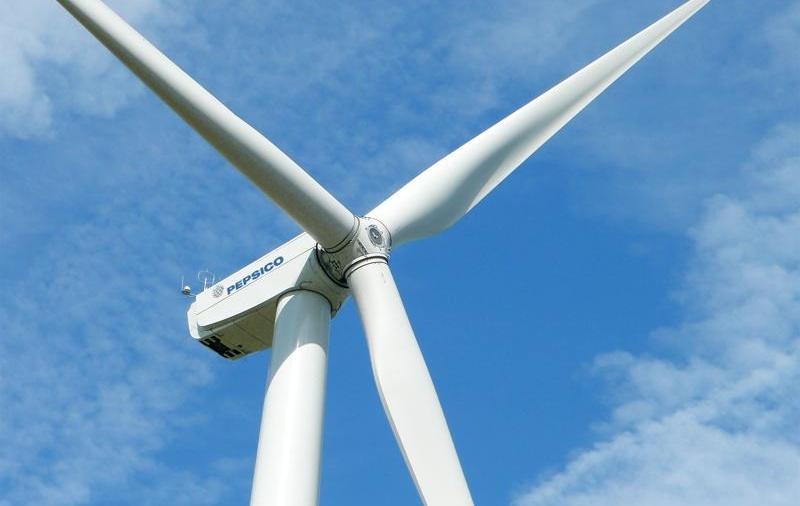
The renewable energy underlying the 10-year deal will be generated by a wind project in Spain undergoing repowering with more efficient turbines, increasing renewable electricity output while reusing existing grid infrastructure such as substations and interconnection points, which the companies said will minimize additional environmental impact, while accelerating the delivery of new renewable energy to the grid.
Hallvard Grandheim, EVP Markets at Statkraft, said:
“This agreement shows how companies of varied sizes can work together to help drive meaningful climate impact. Statkraft is delighted to support a coalition that brings additional renewable capacity online while enabling businesses across Europe to decarbonize.”