- Senior climate disclosure and carbon accounting leadership moves into U.S. land conservation strategy at a critical infrastructure expansion phase
- Conservation finance and land protection positioned as parallel tracks to data center, energy, and housing development growth
- Signals stronger integration of biodiversity protection, local economic development, and climate resilience into U.S. infrastructure planning
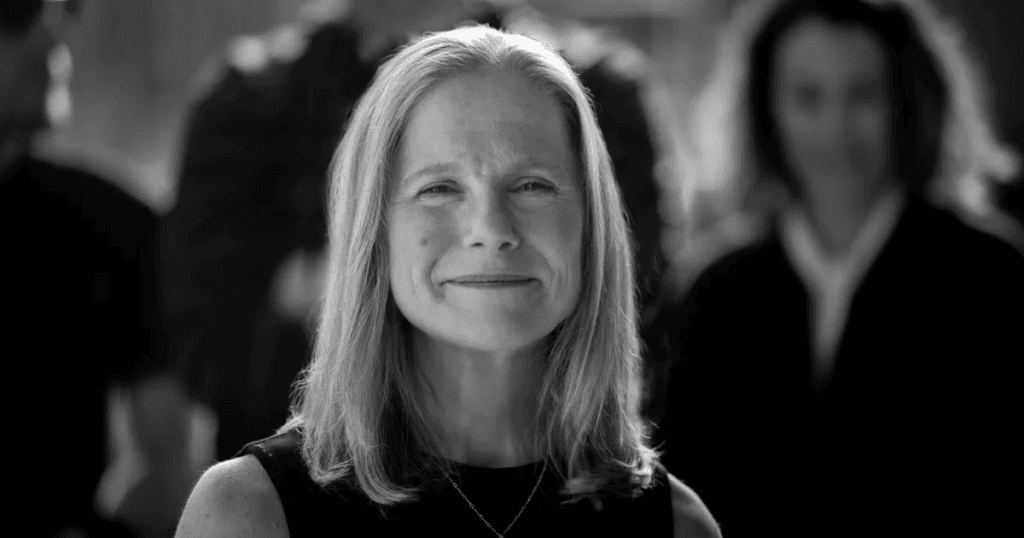
The Conservation Fund has appointed Kristina Wyatt as Executive Vice President and General Counsel, bringing senior climate disclosure, carbon accounting, and sustainability governance experience into one of the United States’ most influential conservation finance and land protection organizations.
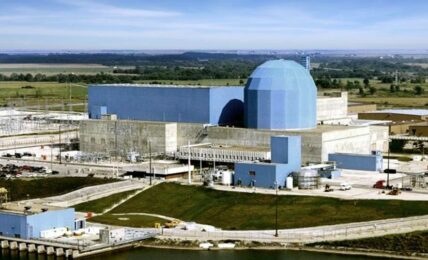
The appointment comes at a moment when U.S. infrastructure expansion is accelerating across data centers, power generation, transmission corridors, and affordable housing. For policymakers and investors, the question is no longer whether development will happen, but how land, water, and biodiversity protection will be embedded into that buildout.
Wyatt confirmed the move publicly, stating:
“I’m incredibly excited to share that I have assumed a new role as Executive Vice President and General Counsel at The Conservation Fund.”
Infrastructure Expansion Meets Natural Capital Strategy
The Conservation Fund has spent four decades working at the intersection of environmental protection and economic development. Its operating model centers on preserving working forests and farms, protecting habitats, expanding outdoor access, and supporting rural and regional economies.
Wyatt emphasized the scale of the coming infrastructure cycle, framing conservation as a strategic planning requirement rather than an environmental afterthought.
“So why am I joining The Conservation Fund? This is a pivotal moment in our country’s history. Over the coming decades, the U.S. will conduct massive development projects in the form of data centers, energy generation and transmission, affordable housing, and other infrastructure. The choices we make now will shape our future.”
For C-suite leaders, this framing aligns with a broader shift in ESG risk management. Land use constraints, biodiversity exposure, and community permitting risk are moving into core investment modeling for energy, real estate, and digital infrastructure assets.
From Carbon Accounting To Landscape-Level Governance
Wyatt joins after four years at Persefoni, where she helped shape corporate climate disclosure and carbon accounting frameworks increasingly tied to global reporting standards and investor expectations.
Reflecting on that transition, she noted:
“I’m so thankful to my wonderful colleagues at Persefoni. It has been an incredible four years, and I remain inspired by all my friends there. I will remain on Persefoni’s Sustainability Advisory Board and look forward to continuing to contribute to its success.”
The dual role maintains a bridge between corporate emissions transparency and physical land stewardship, an increasingly relevant connection as Scope 3 reporting expands to include land use change, supply chain sourcing, and nature-related financial disclosures.
Climate Legacy And Forward Planning
Wyatt positioned conservation as a forward-looking economic strategy, not only an environmental safeguard.
“With climate change, we are living with the consequences of decisions made decades ago. As we look ahead to the development still to come, we have the opportunity to map our future, aligning growth with the preservation of lands and waters that support biodiversity, climate resilience, critical natural resources, migratory pathways, and recreation, all while also creating durable economic opportunity in local communities.”
RELATED ARTICLE: Gabon Plans $700 Million Debt Swap to Fund Marine Conservation
This framing resonates with emerging global frameworks, including nature-related disclosure standards and biodiversity finance initiatives seeking to quantify ecosystem services as economic infrastructure.
Leadership Motivated By Personal Perspective
Wyatt also referenced personal health challenges as shaping her decision to shift toward long-horizon environmental impact work.
“For me personally, the past year has made me focus on how I spend my time and energy. I’ve shared with this community my journey through removal of a large brain tumor almost exactly one year ago. I am acutely aware of the importance of how I spend my time. That perspective makes this moment, and this role at The Conservation Fund, especially meaningful. I am deeply grateful for the opportunity.”
What Executives And Investors Should Watch
For investors and infrastructure developers, the leadership shift highlights three emerging realities. First, conservation groups are becoming active infrastructure partners rather than external stakeholders. Second, land availability and ecological permitting risk will increasingly shape project timelines and financing structures. Third, conservation finance is moving closer to mainstream capital markets through blended finance models and public-private land protection strategies.
As U.S. infrastructure expansion accelerates, conservation organizations are positioning themselves as system planners, not only land protectors. For global markets, the shift reinforces a growing consensus that climate transition planning must integrate biodiversity, land use, and community economic resilience into the same investment and governance frameworks.
Follow ESG News on LinkedIn
The post The Conservation Fund Appoints Kristina Wyatt As Executive Vice President And General Counsel appeared first on ESG News.