
- The European Investment Bank pledged more than €1 billion ($1.1 billion) to renewable energy projects supporting Mission 300, a global effort to connect 300 million people in Sub-Saharan Africa to electricity by 2030.
- Funding will support hydropower, solar, wind, and grid infrastructure, aligning with the EU’s Global Gateway strategy and broader development finance priorities.
- EIB Global expects to deploy more than €2 billion ($2.2 billion) across Africa’s renewable sector over the next two years as global lenders accelerate investment in energy access.
The European Investment Bank has pledged more than €1 billion ($1.1 billion) to expand renewable energy infrastructure across Sub-Saharan Africa, strengthening international financing behind Mission 300, a global initiative aimed at connecting 300 million people to electricity by 2030.
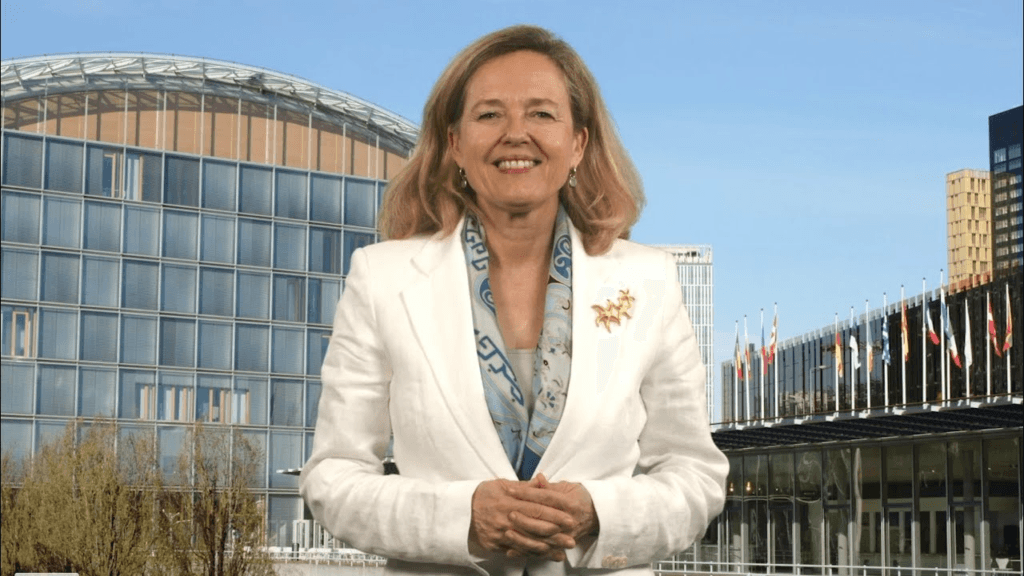
The commitment, announced by EIB Group President Nadia Calviño at the EIB Group Forum in Luxembourg, will be deployed through EIB Global, the bank’s development and international partnerships arm. The financing will support hydropower plants, solar facilities, wind farms and electricity transmission networks across the region.
Mission 300 was launched by the World Bank Group and the African Development Bank Group to accelerate electrification across Sub-Saharan Africa, where nearly 600 million people still live without reliable access to electricity. Expanding energy access remains one of the region’s largest development challenges, with power shortages constraining industrial growth, investment and economic productivity.
Calviño framed the commitment as both a development priority and a strategic investment in international partnerships.
“Joining our partners with a one-billion-euro contribution for renewable energy projects from the European Investment Bank shows Europe’s commitment to provide cleaner, more affordable and reliable energy for hundreds of millions of people in Africa. This is smart economics,” said President Calviño. “Nearly 600 million people in Sub-Saharan Africa are still living without access to electricity. When some are building walls, we build bridges – supporting international partnerships and win-win solutions for a more peaceful, stable, and prosperous world.”
Global Gateway Strategy Drives Energy Investment
The pledge aligns with the European Union’s Global Gateway strategy, which aims to mobilize large-scale infrastructure investment in emerging economies, with a particular focus on energy systems, transport networks and digital infrastructure.
Jozef Síkela, European Commissioner for International Partnerships, said the initiative reflects Europe’s broader effort to link development finance with economic opportunity across both regions.
“Through Global Gateway, Europe is investing in clean energy that creates jobs, powers businesses and drives sustainable growth across Africa. Mission 300 shows how Team Europe turns partnerships into real opportunities. We deliver energy access and build prosperity and employment on both continents.”

Valdis Dombrovskis, European Commissioner for Economy and Productivity responsible for relations with the EIB Group, emphasized the role of the bank as a key instrument of EU policy implementation abroad.
“In a challenging world, the European Investment Bank Group remains the EU’s key partner in implementing our policies on the ground and deliver real impact. Today’s EIB pledge, strongly aligned with the Global Gateway strategy, is another example of how working together to mobilise investments can have a truly transformational impact. Supporting renewable energy projects in Sub-Saharan Africa not only brings the EU and Africa closer together, but also creates economic advantages and social benefits, while offering reliable and secure electricity to hundreds of millions.”

RELATED ARTICLE: EIB Rolls out Green Checker Tool Worldwide to Accelerate Climate Investment
Development Banks Rally Behind Mission 300
The announcement adds momentum to the coalition of development banks and public institutions backing Mission 300, which seeks to accelerate electrification through coordinated financing and large-scale infrastructure deployment.
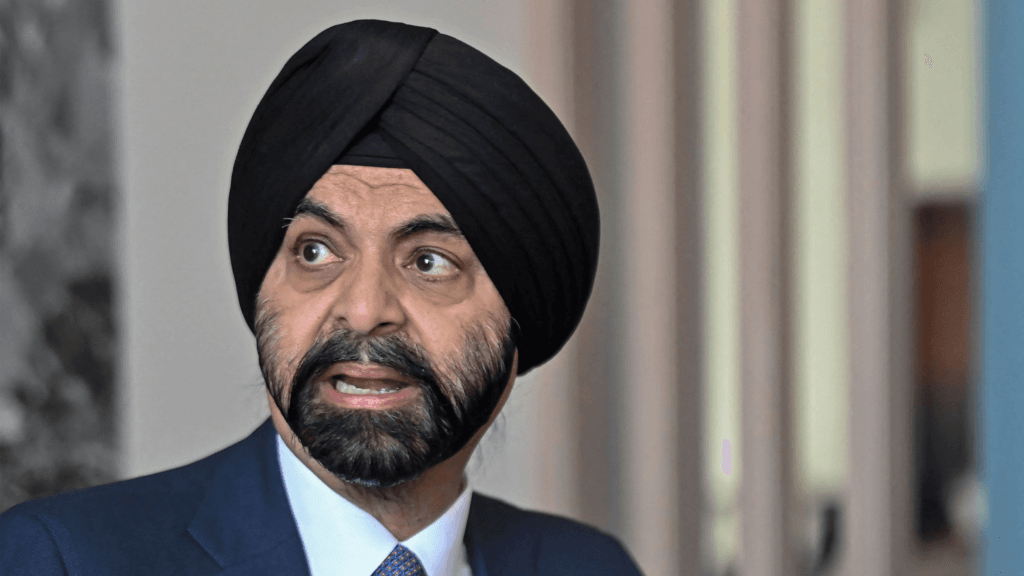
World Bank Group President Ajay Banga said the initiative was designed to bring multiple sources of capital together around a common development goal.
“Mission 300 was designed as a platform — one that brings development banks, governments, philanthropy, and private capital together around a single objective: connections at scale. The EIB’s €1 billion pledge expands that coalition at a critical time. The momentum is real. What matters now is execution — and today’s commitment helps accelerate tangible progress on the ground.”
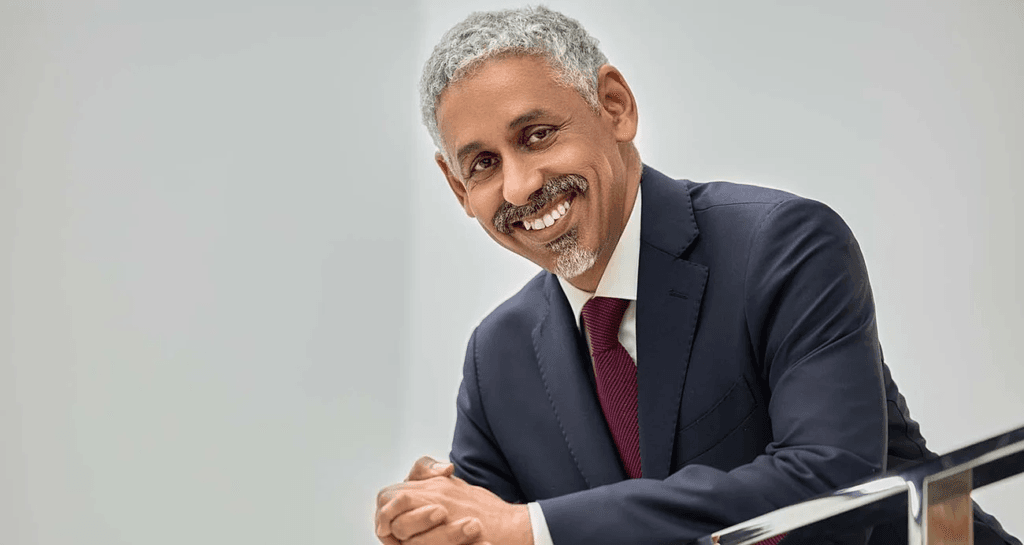
African Development Bank Group President Dr Sidi Ould Tah described the financing as a critical boost to the platform’s implementation phase.
“EIB’s €1 billion pledge is precisely the partnership that Mission 300 needs and strengthens our platform at a pivotal moment. The African Development Bank Group is proud to stand alongside the European Investment Bank and our partners to turn this ambition into connections on the ground. When institutions of our scale move together with purpose, we create irreversible momentum. This announcement brings us measurably closer to the 300 million people who deserve the dignity and opportunity that electricity provides.”
Scaling Renewable Investment Across Africa
The Sub-Saharan Africa pledge forms part of a wider renewable energy investment strategy across the continent. EIB Global expects to contribute more than €2 billion ($2.2 billion) to renewable projects in Africa over the next two years, reinforcing the bank’s role as a major financier of energy transition infrastructure in emerging markets.
In 2025 alone, EIB Global invested €3.1 billion across Africa, supporting small and medium-sized enterprises through credit lines while financing sustainable energy, transport infrastructure, water systems and healthcare projects. Over the past four years, EIB investments have helped mobilize €73 billion in total investment across the continent.
For policymakers, development lenders and investors, the Mission 300 financing push illustrates the scale of capital required to close Africa’s energy access gap while advancing global climate objectives. Expanding renewable power capacity across the continent remains central to both economic development and the global transition toward low-carbon energy systems.
Follow ESG News on LinkedIn
The post EIB Commits $1.1 Billion To Expand Renewable Power Access Across Sub-Saharan Africa appeared first on ESG News.