
- COP30 outcomes include 56 consensus decisions, reinforcing global commitment to accelerate climate action
- Presidency advances $1.3 trillion climate finance roadmap to support Paris Agreement implementation, with focus on developing markets
- New global roadmaps target fossil fuel transition, deforestation by 2030, and scaled adaptation finance
The COP30 Presidency has released its Executive Report, setting out a broad implementation agenda designed to move global climate action beyond negotiation cycles and into sustained execution across economies and sectors.
The report positions COP30 not as a standalone summit, but as part of a continuous global process aimed at translating commitments into tangible outcomes. That shift reflects increasing pressure on governments, financial institutions, and corporates to deliver measurable progress as climate risks intensify and financing gaps widen.
From Agreements to Delivery
COP30 convened nearly every country and resulted in the adoption of 56 decisions by consensus, reaffirming collective commitment to advancing climate action. The Presidency is now framing these outcomes as operational priorities, emphasizing delivery, coordination, and accountability.
Central to this approach is the development of targeted roadmaps intended to guide implementation across key sectors. Among them is a roadmap for transitioning away from fossil fuels in a just, orderly, and equitable manner. The initiative will compile technical evidence, identify opportunities, and support international dialogue on transition pathways.
A parallel roadmap focuses on halting and reversing deforestation and forest degradation by 2030, reinforcing the role of forests in climate mitigation and sustainable development. Together, these frameworks reflect a growing emphasis on system-wide transformation rather than incremental change.
Scaling Climate Finance
Finance remains the defining lever. The Presidency is advancing the Baku to Belém Roadmap, which aims to mobilize $1.3 trillion in climate finance to support implementation of the Paris Agreement, particularly across developing economies.
The scale of this target highlights the widening gap between climate ambition and capital deployment. For institutional investors, development banks, and sovereign funds, the roadmap signals an expanding pipeline of climate-linked investments spanning energy systems, land use, and resilience infrastructure.
At the same time, it reinforces the need for stronger policy alignment and risk mitigation frameworks to unlock private capital at scale. Without these mechanisms, financing constraints are likely to continue limiting progress in emerging markets.
Adaptation Moves Up the Agenda
Adaptation has emerged as a central priority. The Presidency is fostering dialogue among governments, financial institutions, and other stakeholders to expand financing and accelerate the implementation of concrete adaptation measures across regions.
This shift reflects a growing recognition that mitigation alone cannot address escalating climate impacts. For corporates and investors, adaptation is increasingly tied to operational resilience, supply chain stability, and long-term asset protection.
RELATED ARTICLE: UN Climate Chief Calls for Acceleration Ahead of COP30
Mobilizing the Real Economy
COP30 also strengthened the Global Climate Action Agenda and introduced the Global Implementation Accelerator, both aimed at mobilizing governments, the private sector, cities, and civil society to accelerate national climate commitments.
These initiatives are designed to close the gap between policy frameworks and real economy execution. For business leaders, climate strategy is moving beyond compliance into core operational and capital allocation decisions.
Sustaining Global Momentum
The Presidency underscored that the outcomes achieved in Belém depend on continued engagement across all stakeholders.
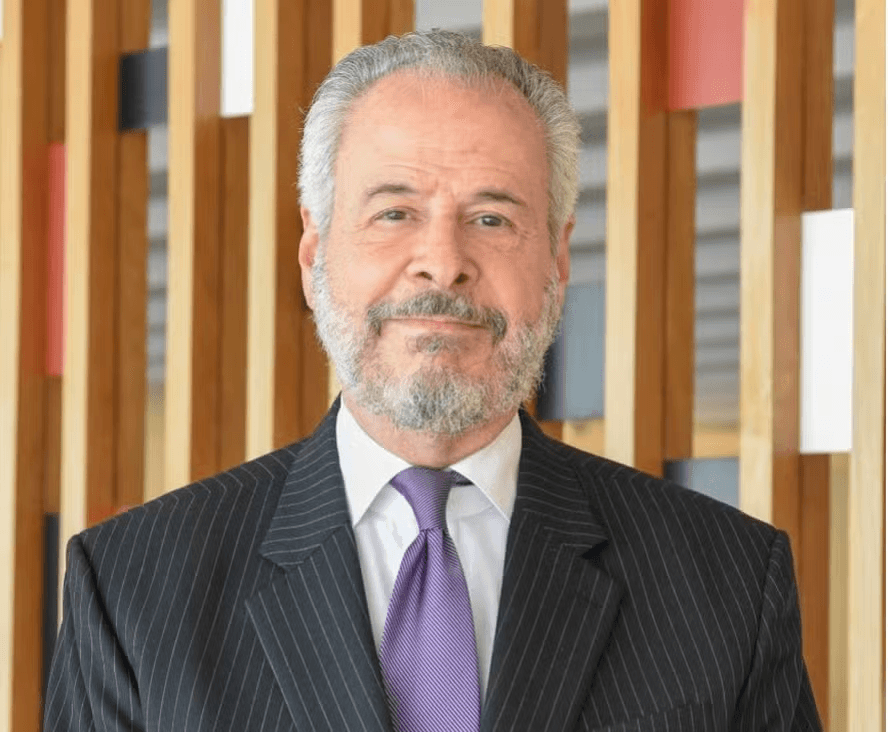
“As we prepare for the next rounds of dialogue and for close collaboration on the road to Antalya, we invite you to read this report not only as a record of what has been achieved, but also as a call to sustain momentum, honor our shared responsibilities, and carry forward the spirit of mutirão that Belém inspired. The decisions adopted at the conference should serve as catalysts for economic transformation, for building more resilient societies, and for restoring ecosystems. The journey continues and it will require the commitment of us all,” said André Corrêa do Lago, COP30 President, and Ana Toni, COP30 CEO.
The direction is clear. COP30 expands the scope of climate governance from negotiation to execution, placing finance, implementation, and cross-sector coordination at the center of the global agenda.
For markets, the implications are immediate. The scale of capital mobilization, the acceleration of transition pathways, and the integration of adaptation into economic planning will shape investment strategies, policy alignment, and corporate decision-making worldwide.
Follow ESG News on LinkedIn
The post COP30 Report Sets $1.3 Trillion Climate Finance Push and New Global Implementation Roadmaps appeared first on ESG News.