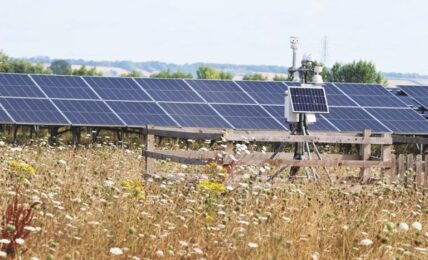
- aream Group’s Clean Energy Future Fund II targets a €400 million capital base, about $452 million, for renewable energy and storage investments across Europe.
- The fund focuses on upgrading existing solar and wind assets with battery storage to improve grid connection use and capture higher-value power market opportunities.
- The strategy reflects a shift in Europe’s energy transition, where volatility, negative electricity prices, electrification and data centre demand are reshaping infrastructure returns.
Frankfurt-based aream Group has launched a European renewable energy investment fund built around one of the power market’s most pressing constraints: grid access.
The Clean Energy Future Fund II, known as CEFF II, combines renewable power generation with battery storage and active electricity marketing. The aim is to improve how existing grid connections are used, while creating new revenue options for investors.
The fund will invest primarily in Europe, with a focus on Germany. It builds on an existing portfolio of operational plants, giving investors exposure to assets that already generate cash flow. At the same time, aream plans to add growth through hybridisation, repowering and new renewable projects.
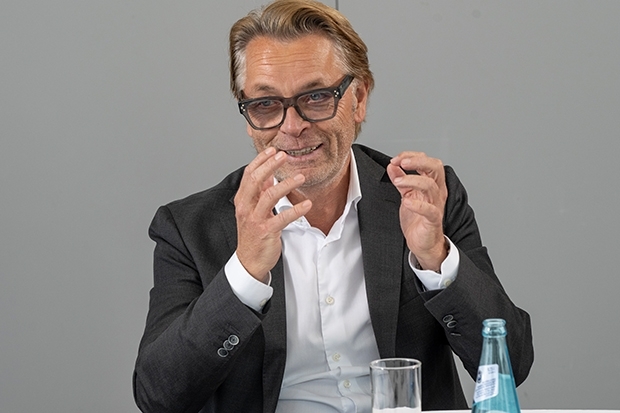
“With this hybrid approach, we are leveraging the changes and increased volatility in the European electricity markets for the benefit of our investors”, says Markus W. Voigt, Executive Chairman of the aream Group.
Battery Storage Moves To The Centre Of Returns
CEFF II’s strategy is designed for a market where renewable generation alone may no longer be enough. Europe’s wind and solar buildout has created more periods of surplus power. That has increased price volatility and led to more episodes of negative electricity prices.
aream’s response is to add battery storage to existing solar and wind farms. That can shift renewable power into higher-value periods. It can also allow assets to provide grid services, rather than only selling electricity when it is generated.
“A significant portion of the investments is dedicated to the technical upgrading of existing solar and wind farms through battery storage”, said Voigt. “The aim is to utilise existing grid connections more efficiently in order to optimise revenue streams and thereby create additional value.”
The approach also reflects a wider shift in renewable infrastructure investing. In earlier phases of Europe’s energy transition, subsidies and feed-in tariffs supported predictable returns. The next phase is more exposed to power prices, grid congestion and flexibility needs.
That makes storage, market access and technical asset management more important to fund performance.
RELATED ARTICLE: Lime Rock New Energy Raises $640M Fund To Scale Energy Transition Investments
$452 Million Fund Targets Professional Investors
CEFF II is targeting a capital base of €400 million, equal to about $452 million. A significant portion has already been invested, according to the company.
The fund is open only to professional investors. Its portfolio combines operating renewable assets with the potential upside from adding batteries, expanding existing sites and developing new projects.
“This is complemented by active electricity marketing, which is more closely aligned with market prices and grid requirements than traditional feed-in models”, says Voigt. “In doing so, we are leveraging our long-standing expertise and aiming to gain a corresponding advantage over funds without a marketing focus.”
For institutional investors, the model points to a more active form of clean energy ownership. Returns may depend less on simply holding renewable assets and more on how those assets interact with the grid.
That is a governance and risk question as much as a financial one. Battery deployment, route-to-market strategy, permitting, grid access and merchant price exposure are becoming core investment considerations.
Electrification Raises The Stakes
aream is launching CEFF II as Europe’s electricity demand profile changes. Industrial electrification, electric vehicles and digital infrastructure are expected to raise power demand in the coming years.
“At the same time, electricity demand will grow significantly in the coming years due to electrification in industry and e-mobility”, says Voigt. “After several years of slower growth, data centres are also playing an increasingly important role as electricity consumers.”
That demand growth is expected to collide with tighter grid capacity. It also increases the value of flexible clean power. Assets that can store energy, respond to price signals and support grid stability may become more strategically important.
For executives and investors, the takeaway is clear. Europe’s clean energy market is moving from a buildout story to an optimisation story. Capital is still needed for new renewable capacity. But higher value may come from using existing infrastructure more intelligently.
aream’s CEFF II reflects that shift. It positions storage, grid efficiency and electricity marketing as central tools for the next stage of Europe’s energy transition. For Germany and the wider region, the fund adds private capital to a system under pressure to deliver clean power, manage volatility and support new sources of demand.
The post aream Launches $452 Million Clean Energy Fund To Add Battery Storage Across Europe appeared first on ESG News.