
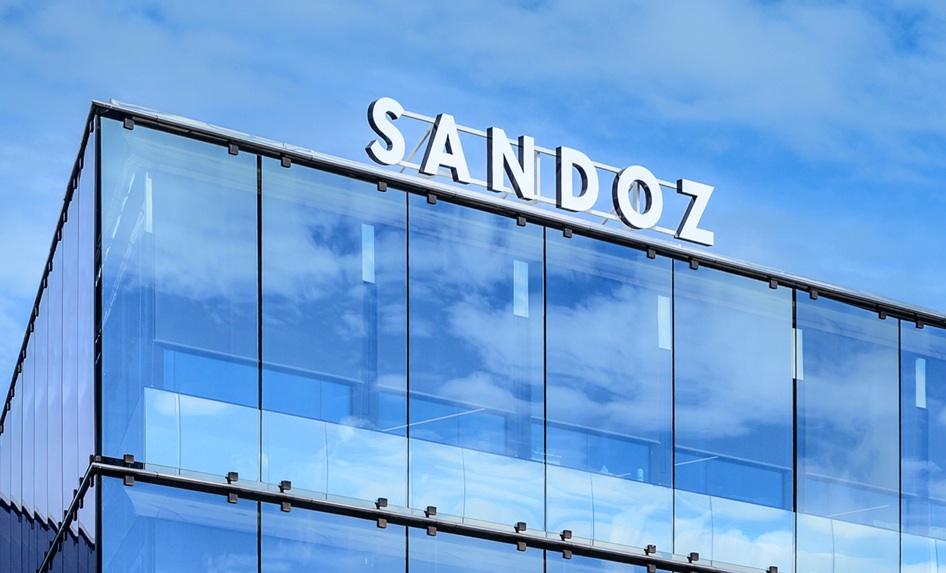
Swiss generic and biosimilar medicine pharmaceutical company Sandoz announced a series of new interim climate goals targeting its operations and supply chain, with the company noting that the new targets have been validated by the Science Based Targets initiative (SBTi).
The company’s new SBTi-validate targets include goals to reduce emissions from its own operations (Scope 1 and 2) by 42% by 2030, and by 63% by 2035, on a 2024 basis. In its supply, Sandoz is targeting having at least 79% suppliers by emissions covering purchased goods and services, capital goods, and upstream transportation and distribution with science-based targets by 2030.
The release of the new goals follows a commitment announced by Sandoz in 2024 to set interim science-based carbon emission reduction targets with the SBTi, advancing the company’s commitment to work towards achieving net zero by 2050.
Sandoz said that to achieve its 10-year climate goals, it has established a “sustainability blueprint” focused on reducing emissions and improving environmental performance across its operations and value chain. Key initiatives include improving energy efficiency, increasing renewable energy use, advancing packaging circularity and materials innovation, optimizing and decarbonizing logistics, and partnering with suppliers to develop sustainable solutions.
According to the company, between 2023 and 2025 it reduced absolute emissions by 3% and emissions intensity by 15%.
Kate Ahern, Head, ESG at Sandoz said:
“Operating sustainably is a key contributor to our Purpose of pioneering access for patients. Our actions are critical to limiting our impact on the environment while delivering real commercial benefits by meeting customer demands, improving operational efficiency, and reducing costs. We’ve made significant progress on sustainability, and today’s SBTi validation confirms our emissions reduction targets are ambitious and credible.”