
- EWEC and Masdar signed a strategic framework to accelerate more than 30GW of solar PV capacity and over 8GW of battery storage planned by EWEC.
- The agreement supports Abu Dhabi’s target to meet 60% of total energy demand from renewable and clean sources by 2035.
- The framework aims to strengthen energy security, reduce costs, grow local industrial capacity, and support the UAE Net Zero by 2050 Strategic Initiative.
Abu Dhabi is tightening the link between clean power, industrial growth, and national energy security.
EWEC, the Emirates Water and Electricity Company, has signed a strategic Collaboration Framework Agreement with Masdar to speed up the deployment of utility-scale renewable energy projects across the UAE.
The agreement creates a roadmap for Masdar’s participation in EWEC’s renewable energy project pipeline. It covers early-stage development through to financial close. The goal is to move projects faster, while keeping EWEC’s competitive procurement processes transparent and independent.
The framework comes as Abu Dhabi pushes to reshape its electricity and water sectors. EWEC expects solar PV capacity under its planning to exceed 30GW by 2035. It also plans to integrate more than 8GW of battery energy storage.
That scale matters for investors, developers, and industrial power users. It places renewable capacity, storage, and grid reliability at the centre of the UAE’s long-term economic strategy.
Framework Builds On Major Solar Projects
The agreement was signed by Ahmed Ali Alshamsi, Chief Executive Officer of EWEC, and Mohamed Jameel Al Ramahi, Chief Executive Officer of Masdar.
It builds on a long-running partnership between the two entities. EWEC and Masdar have already worked together on major projects including Al Dhafra Solar PV, Al Ajban Solar PV, Khazna Solar PV, and a gigascale round-the-clock solar and battery storage project.
The new framework is designed to streamline engagement between the two organisations. It also aims to improve delivery efficiency across future renewable energy projects.
For Abu Dhabi, this is not only about adding capacity. The agreement is also tied to In-Country Value, Emirati talent development, and domestic clean energy expertise. That gives the deal a wider governance and industrial policy dimension.
EWEC said the framework will help diversify the UAE’s energy mix, strengthen security of supply, and power local industrial growth.
Clean Energy Becomes An Industrial Strategy
Ahmed Ali Alshamsi, Chief Executive Officer of EWEC, said:
“As the driving force behind the UAE’s energy transition, EWEC is at the forefront of a global shift towards sustainable, utility-scale power and water production. This Collaboration Framework Agreement with Masdar is a pivotal strategic tool that empowers us to accelerate this transformation and meet 60 per cent of Abu Dhabi’s total energy demand from renewable and clean sources by 2035. By streamlining the development of utility-scale solar PV capacity, forecast to exceed 30GW by 2035, and integrating more than 8GW of battery energy storage, we are reshaping the sector while ensuring the long-term security of supply. Crucially, this framework reflects our commitment to continuously optimising our processes and procedures to reduce costs and further optimise our operations. This collaboration ensures we remain on a definitive path toward the UAE Net Zero by 2050 Strategic Initiative, securing a sustainable and prosperous future for the nation.”

His comments point to a broader shift in the Gulf energy model. Renewable energy is now part of sovereign planning, industrial competitiveness, and long-term power affordability.
Battery storage is also central. As solar capacity rises, storage will play a larger role in grid stability and dispatchable clean power. That is critical for industrial users that need reliable, lower-carbon electricity.
RELATED ARTICLE: Masdar, Iberdrola Finalize $5.6B UK Offshore Wind Deal
Investors Face A Larger UAE Clean Power Pipeline
Mohamed Jameel Al Ramahi, Chief Executive Officer of Masdar, said:
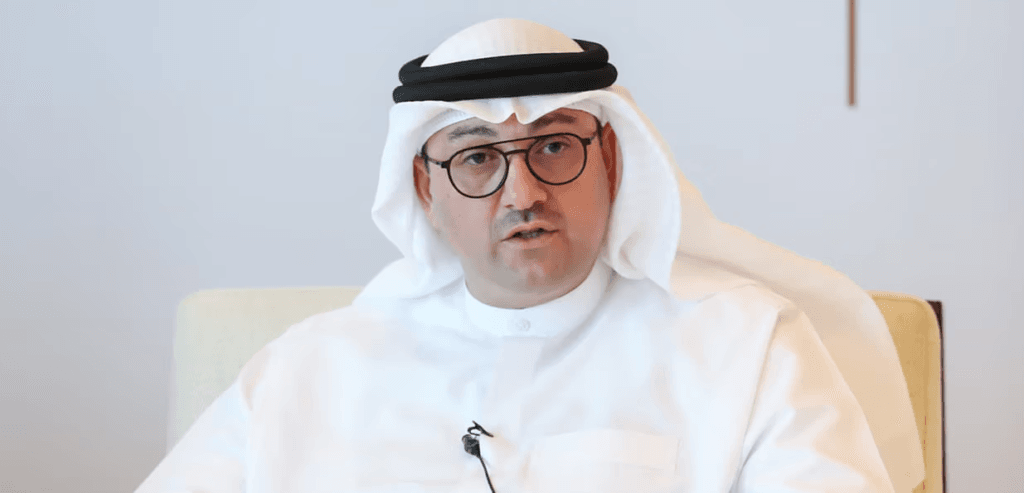
“This agreement strengthens our long-standing collaboration with EWEC and builds on our track record in advancing the UAE’s energy transformation. Together, we are accelerating world-leading solutions, such as our gigascale Round-the-Clock solar project, while helping to diversify the UAE’s energy mix, strengthen national energy security, and provide local UAE industry with reliable, affordable, clean power.”
For clean energy investors, the framework points to a more structured project pipeline in one of the Gulf’s most active renewable markets.
The agreement supports the Abu Dhabi Department of Energy’s Clean Energy Strategic Target 2035 for Electricity Production in Abu Dhabi. It also aligns with the UAE Net Zero by 2050 Strategic Initiative.
EWEC’s wider roadmap includes nearly emissions-free water production by 2030. That adds another layer to the decarbonisation challenge, since water and power are closely linked in the UAE.
The strategic value is clear. Abu Dhabi is using clean power procurement to reduce carbon exposure, manage future energy costs, and support industrial growth. For global markets, the deal shows how Gulf energy players are moving from pilot projects to system-scale renewable deployment.
The post Masdar, EWEC Target 30GW Solar Expansion To Power UAE Decarbonisation appeared first on ESG News.