
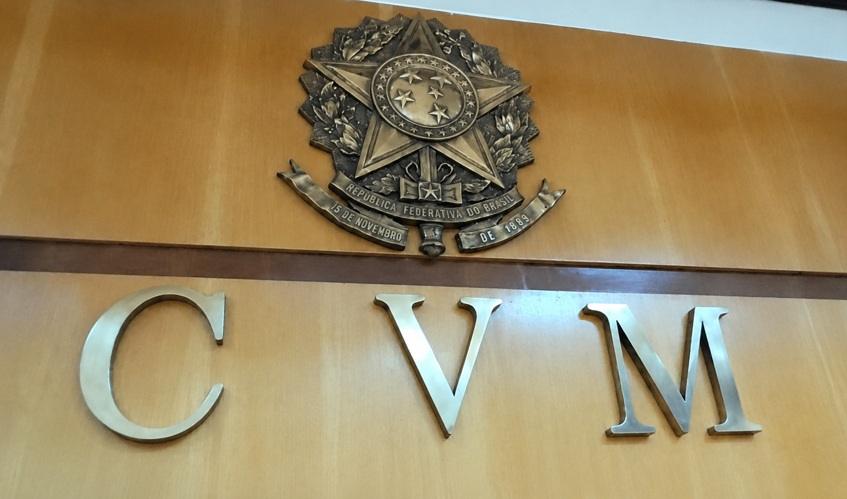
Brazil’s Securities and Exchange Commission (CVM) announced the launch of a new public consultation into its upcoming sustainability and climate-related reporting system, focused on the benefits and drawbacks of mandatory and voluntary disclosure requirements, and asking for feedback on alternative regulatory structures for the regime, such as phasing in mandatory obligations over time, or making only climate reporting mandatory.
The new consultation comes only months after CVM amended its regulation that had initially introduced mandatory requirements for public companies to provide annual ISSB-aligned sustainability and climate-related disclosures, moving instead to a voluntary sustainability reporting system.
CVM’s move to voluntary reporting was met with criticism from a broad range of investing, accounting and governance organizations, who argued that voluntary reporting could undermine comparability, weaken alignment with international standards, and reduce transparency for investors. CVM said that the new consultation would gather more comprehensive evidence on the costs and benefits of different regulatory approaches, including mandatory and voluntary reporting.
Brazil’s CVM had initially unveiled its sustainability reporting requirements for public companies in 2023, with mandatory disclosures beginning for fiscal years starting on or after January 1, 2026. The regulator subsequently approved sustainability reporting standards published by the Brazilian Sustainability Pronouncements Committee (CBPS), that were based on the IFRS Foundation’s International Sustainability Standards Board’s (ISSB) general sustainability (IFRS S1) and climate (IFRS S2) reporting standards.
In May 2026, however, CVM amended the regulation, shifting to a “comply-or-explain” system, under which a public company that chooses not to file a sustainability report is required to justify the decision through a market announcement, including the reasons for the decision. For companies choosing to proceed with sustainability reporting, the regulation required compliance with the CBPS and ISSB standards. The regulation also required companies that proceed to prepare sustainability reports for at least three consecutive years. Additionally, if a company opts to stop reporting, the regulation would require it to disclose its decision through a market announcement in the fiscal year before it stops reporting.
CVM said that its new consultation will seek to gather evidence that will corroborate or refute, several hypotheses, including propositions that voluntary reporting systems will not produce sufficient information or comparability and credibility, reductions in cost of capital created by mandatory reporting could exceed incremental compliance costs, smaller companies would be exposed to proportionally higher compliance costs than larger companies, the requirements under the revised regulation for companies choosing to proceed with sustainability reporting could reduce voluntary participation, and that successive regulatory changes may have resulted in unrecoverable investments and affected the predictability of the regulatory framework, among others.
The consultation also seeks feedback on several presented regulatory alternatives, including maintaining the current regime, and adjusting the conditions for voluntary participation, as well as different models of mandatory participation, such as phasing in mandatory requirements by company size, setting a future date to shift to mandatory reporting, setting only climate-related reporting as mandatory while leaving Scope 3 disclosures as comply-or-explain, and expanding mandatory reporting requirement beyond public companies.
CVM’s consultation will remain open through February 28, 2027. Click here to access the consultation.