
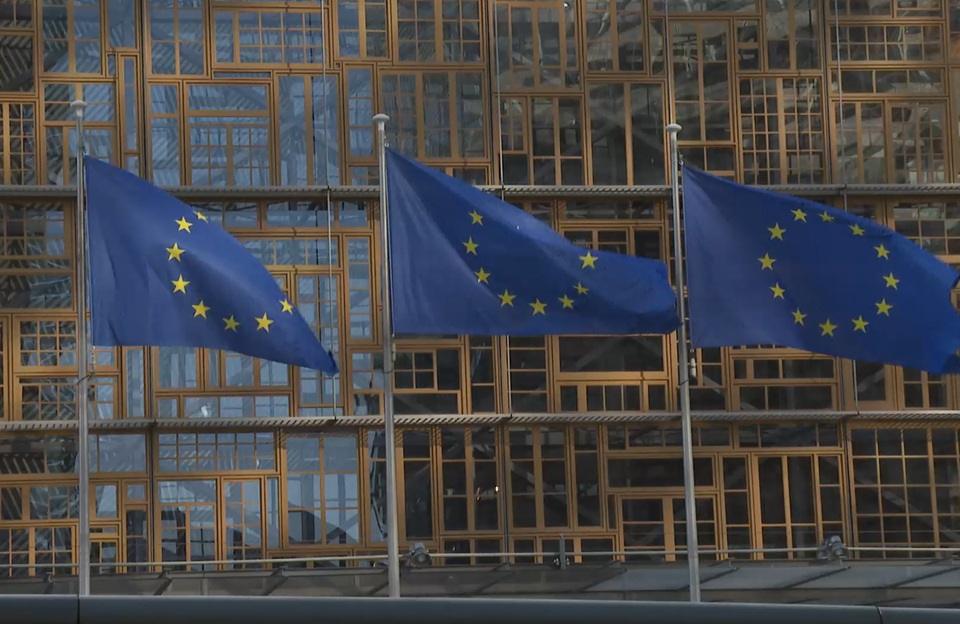
Lawmakers in the European Parliament and EU Member States announced that they reached a late-night deal to add free carbon allowances worth approximately €10 billion under the EU emissions trading system (ETS) to support energy-intensive sectors and protect them from “carbon leakage,” a situation in which production of emissions-intensive goods shifts to countries with less stringent environmental and climate policies.
The Emissions Trading System is the EU’s internal cap and trade carbon pricing mechanism. Established in 2005, the ETS puts a price on carbon emissions for key GHG intensive sectors, including electricity and heat generation, oil refineries, steel, cement, paper, chemicals, and commercial aviation, among others. Since its launch in 2005, the ETS has generated more than €270 billion in revenues, and has been credited by the Commission as a key driver in reducing emissions in the covered sectors by 50%.
Under the ETS, industrial companies are required to pay for their greenhouse gas emissions by surrendering carbon allowances. To help companies remain competitive while encouraging emissions reductions, the EU provides a portion of these allowances for free, based on emissions “benchmarks” that reflect the performance of the most efficient facilities in each sector. Companies that emit less than their allocation can sell excess allowances, while those exceeding their allocation must buy additional permits, creating a financial incentive to cut emissions.
As Europe has faced rising energy prices, driven by geopolitical factors such as the Russia-Ukraine and Iran wars, several member states have called on the Commission to review the ETS to help reduce pressure on industry. In July, the Commission proposed a significant review of the ETS, including measures to provide relief to industry by slowing the pace of emissions reduction mandated under the carbon pricing system and extending the allocation of allowances for several years, while also introducing measures to drive significantly more capital from the ETS system into industrial decarbonization.
Among the key proposals by the Commission was the addition of 88 million “free allowances” between 2026 and 2030 for industry sectors falling under the heat and fuel benchmarks of the ETS. Heat and fuel benchmarks allocate allowances based on energy consumption and are used to determine free allocation for products and processes that cannot be covered by a specific product benchmark. They represent around 25% of total free allocation and protect key sectors from carbon leakage, including chemicals, pulp and paper, food and beverage processing, ceramics, glass, amongst others.
The new provisional agreement between Parliament and the EU Council goes well beyond the Commission’s initial proposal, increasing the free carbon allowances by 121 million from 2026 – 2030, including 5 million allowances set aside for specific energy-intensive sectors highly-exposed to carbon leakage.
In a post following the agreement, Wopke Hoekstra, EU Commissioner for Climate, Net Zero and Clean Growth, said:
“This is great news for climate, competitiveness and independence. And it ensures the EU carbon market remains robust, our industry can compete, and our clean transition is fair, predictable and firmly on track.”
The agreement will need to be endorsed by the EU Parliament and Council before being formally adopted.